
Buffalo Market Bolu - The Largest Livestock Market in Toraja
Buffalo Market Bolu (Pasar Bolu) is the main livestock market in Tana Toraja, South Sulawesi, known for its buffalo trading. Located near Rantepao, it is a unique cultural hub where economy and tradition come together.
What is Buffalo Market Bolu?

Pasar Bolu is a traditional animal market held in North Toraja where buffaloes (tedong), pigs, and sometimes horses are traded. It is located around the Rantepao-Tallunglipu corridor and operates on a rotating schedule, typically every six days or on specific market days such as Tuesday and Saturday depending on local rotation systems.
This market is considered the main center of buffalo trade in Toraja, where buyers and sellers from different villages gather to negotiate prices, inspect animals, and conduct transactions that can reach extremely high values.
Some buffalo types sold here, especially the rare Tedong Bonga (albino or patterned buffalo), can be worth hundreds of millions to even billions of rupiah due to their importance in ceremonial life.
The Role of Buffalo in Torajan Culture
In Toraja, buffaloes are not ordinary livestock. They are deeply tied to social identity, ritual obligations, and ancestral beliefs.
At Pasar Bolu, buffalo trading reflects more than economics, it reflects cultural status.
Buffaloes are essential for:
- Rambu Solo’ (funeral ceremonies)
- Social prestige and family status
- Ritual offerings for ancestors
- Community cooperation and ceremonial exchange
The number and type of buffalo a family owns often determines their social standing in Torajan society. Rare buffalo types such as Tedong Bonga or Tedong Saleko are especially valued and are often reserved for high-status ceremonial purposes.

How the Buffalo Market Works

The atmosphere in Pasar Bolu is intense, traditional, and highly interactive. Traders and buyers carefully inspect each buffalo before negotiating prices.
Typical market dynamics include:
- Buyers examining physical condition, horns, and markings
- Sellers promoting the strengths and lineage of the buffalo
- Direct bargaining and price negotiation
- Cash transactions for high-value animals
- Strong emotional and cultural decision-making
Prices vary widely depending on size, color pattern, and rarity. Some buffaloes are considered “investment assets” rather than simple livestock.
A Unique Cultural Atmosphere
Pasar Bolu is often described as one of the most fascinating traditional markets in Southeast Asia because of its scale and cultural depth.
Visitors often experience:
- Rows of massive buffalo tied and displayed for sale
- Farmers and traders wearing traditional sarongs
- Loud bargaining and social interaction
- A mix of livestock, agriculture, and local food trade
- A strong sense of community and ritual economy
Despite being a market, Pasar Bolu feels closely connected to Toraja’s ceremonial world, where trade and tradition are inseparable.

Why Visit Buffalo Market Bolu?

For travelers, Pasar Bolu offers a rare opportunity to witness a living cultural system that still operates today.
It is especially interesting for:
- Cultural travelers exploring Toraja traditions
- Photographers seeking authentic local scenes
- Anthropologists and researchers
- Visitors interested in ritual economies and livestock culture
Unlike curated tourist attractions, Pasar Bolu is a real working market, making the experience unpredictable, dynamic, and deeply authentic.
Best Time to Visit Pasar Bolu
The market does not operate every day, so timing is important.
- Market days rotate approximately every 6 days
- Activity is usually highest in the morning (around 08:00–12:00)
- Early arrival is recommended for best atmosphere and photography
Morning hours also provide better lighting and more active trading scenes.
Location and Access
Pasar Bolu is located near Rantepao in North Toraja and is easily accessible by car or motorbike.
Most travelers visit the market as part of a broader Toraja cultural route that may also include:
- Ke’te Kesu
- Londa burial caves
- Lemo cliff graves
- Palawa Village
- Bori Kalimbuang
Local guides are helpful for understanding pricing systems, buffalo types, and cultural symbolism behind the trade.
Nearby Places in Toraja
Londa is commonly visited together with:

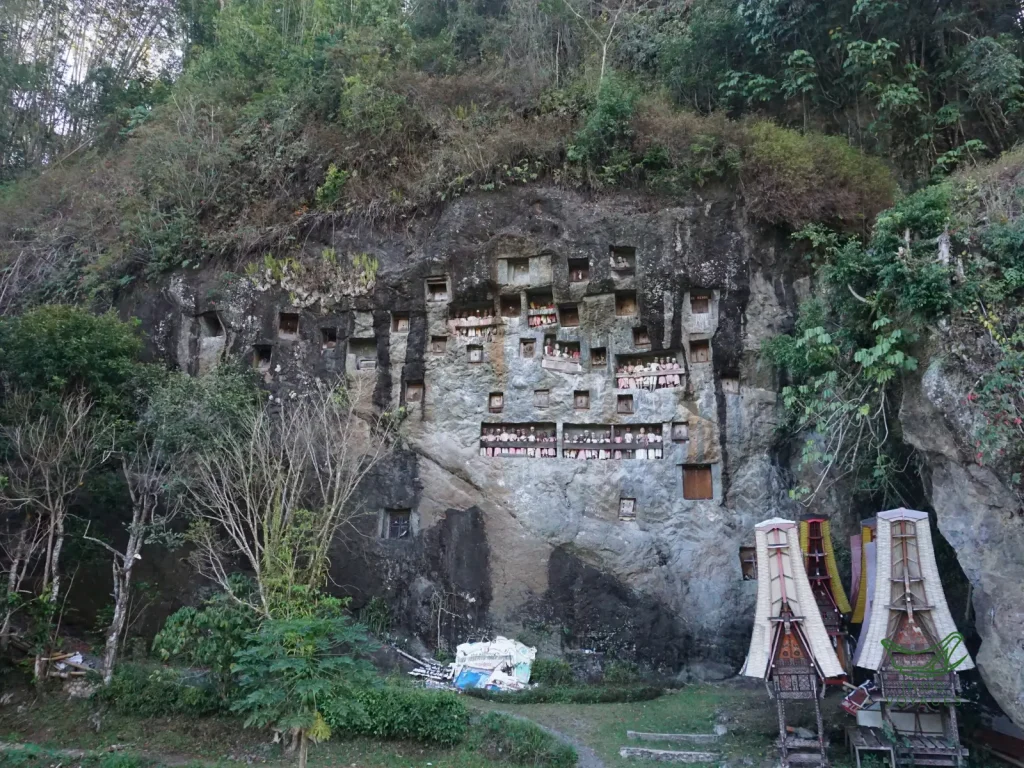

These sites are often combined into a half-day or full-day cultural journey through Toraja.
Frequently Asked Questions About the Toraja Buffalo Market
The main buffalo market in Toraja is located in Bolu, near Rantepao in North Toraja, South Sulawesi, Indonesia. Often referred to as the Bolu Buffalo Market, it is one of the most important traditional livestock markets in the Toraja Highlands and serves as a cultural and economic center for local communities.
The Toraja buffalo market is famous because buffaloes hold deep cultural significance in Toraja society. They play an essential role in traditional ceremonies, especially funeral rituals known as Rambu Solo’. The market is not only a place for buying and selling livestock, but also a space where social status, family traditions, and ceremonial preparations come together.
Yes. The Bolu Buffalo Market in Rantepao is widely recognized as the largest buffalo market in Toraja. On busy market days, traders and buyers from different parts of Sulawesi gather here to trade hundreds of buffaloes, including the highly valued spotted tedong bonga buffalo.
Many travelers and local tourism sources describe the Bolu Buffalo Market as one of the largest traditional buffalo markets in the world. While exact global comparisons are difficult to verify, it is certainly among the most unique and culturally significant buffalo markets internationally due to the scale of trading and its connection to Torajan traditions.
Unlike ordinary livestock markets, the traditional buffalo market in Toraja is closely connected to ancestral customs and ceremonial life. Buffaloes are carefully evaluated based on their breed, color patterns, horns, and symbolism. Certain buffaloes can reach very high prices because they are considered prestigious offerings during important cultural ceremonies.
The market is typically busiest on major market days, especially every six days according to the traditional Torajan market cycle. Morning is usually the best time to experience the market atmosphere, when trading activities are most active and buffaloes arrive from surrounding villages.
Yes, visitors can explore the market independently, but understanding the cultural meaning behind the activities can greatly enrich the experience. Many travelers choose to visit with local guides who can explain ceremonial traditions, buffalo symbolism, and local etiquette while navigating the busy market environment.
Explore the Toraja Buffalo Market with Local Insight
Visiting the buffalo market is not only about seeing livestock trading. It is also an opportunity to better understand Torajan culture, social traditions, and the ceremonial importance of buffaloes within local communities.
As a Sulawesi-based local tour operator, Indo Voyages offers cultural journeys across Toraja that connect travelers with local stories, traditions, and meaningful experiences beyond the surface.


 EN
 ID
 FR