
Buntu Pune Toraja - Traditional Tongkonan Heritage in Sulawesi
Buntu Pune is a traditional village near Rantepao in North Toraja, known for its Tongkonan houses and living cultural heritage. Discover how ancestral architecture and daily life blend in this authentic Torajan noble village.
What is Buntu Pune?
- Two large traditional
- Tongkonan houses
- Seven traditional rice barns (alang)
- An open ceremonial ground known as Rante Karassik
- A mix of traditional and modern residential buildings
Historical Background of the Village
- He commissioned the construction of the village’s main Tongkonan houses
- He was later exiled to Maluku after being accused of planning resistance against Dutch rule
- After his death in exile, his body was reportedly returned and buried in the village area
Traditional Architecture in Buntu Pune
The highlight of Buntu Pune is its well-preserved Torajan architecture, especially the Tongkonan houses and rice barns arranged in a traditional layout.
Key architectural features include:
- Large wooden Tongkonan houses with curved boat-shaped roofs
- Rice barns (alang) lined in front of the houses
- Traditional Torajan color patterns: red, black, yellow, and white
- Intricate exterior carvings and symbolic motifs
These structures reflect Torajan social hierarchy, where noble families historically built larger and more elaborately decorated houses.
Rante Karassik - The Ceremonial Ground
One of the important cultural spaces in the village is the open ceremonial ground known as Rante Karassik.
This area is traditionally used for:
- Community gatherings
- Ritual preparations
- Cultural ceremonies linked to family and village life
In Toraja culture, open ceremonial spaces are essential parts of village planning, reflecting the relationship between social life, ritual activity, and ancestral tradition.
Living Village Experience
Unlike museum-style heritage sites, Buntu Pune is still a living community.
Visitors will notice:
- Local residents still living in traditional houses
- Modern homes built alongside Tongkonan structures
- Daily village activities such as farming and coffee cultivation
- A peaceful rural atmosphere surrounded by highland scenery
This blend of old and new makes Buntu Pune a valuable place to understand how Torajan culture adapts without losing its identity.
Why Visit Buntu Pune?
Buntu Pune is ideal for travelers who want a quieter and more authentic cultural village experience near Rantepao.
It is especially suitable for:
- Cultural travelers interested in everyday Toraja life
- Photography focused on architecture and rural landscapes
- Visitors exploring noble heritage and historical villages
- Travelers seeking less crowded alternatives to Ke’te Kesu
Unlike burial sites, Buntu Pune focuses more on living culture and architecture than ritual death traditions.
Location and Access
Rantepao is located only about 3 km south of Rantepao, making it one of the most accessible traditional villages in North Toraja.
Travel information:
- Short drive (10–15 minutes) from Rantepao
- Easily accessible by car or motorbike
- Often included in half-day cultural tours
Best Time to Visit
The best time to visit Buntu Pune is:
- Morning for soft light and village activity
- Late afternoon for photography of Tongkonan silhouettes
- Dry season for easier access and clearer scenery
Because it is a living village, visits are possible throughout the year.
Visitor Information (2026 Travel Update)
Location
Kesu' District, North Toraja, South Sulawesi (±3 km from Rantepao)
Entrance Fee
Around IDR 15,000–25,000 per person
Recommended visit duration
1 hour (Perfect for a relaxed walk around the complex and taking photos)
Local Guide
Recommended for deep historical insights into Pong Maramba's history and the philosophy of the Torajan carvings
Best Time to Visit
Morning (08:00 - 10:00) or late afternoon for calm lighting, cooler temperatures, and a more serene, mystical atmosphere
Prices and arrangements may vary depending on local community management.
Nearby Places in Toraja
Londa is commonly visited together with:

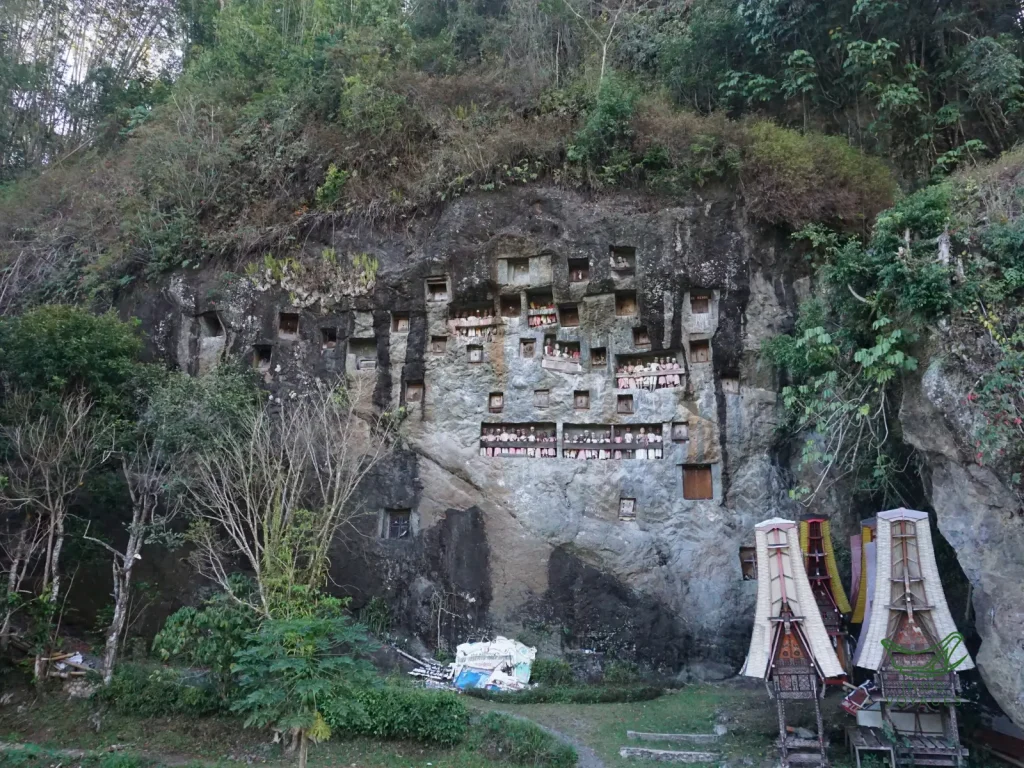

These sites are often combined into a half-day or full-day cultural journey through Toraja.
Explore Toraja With a French-Speaking Guide
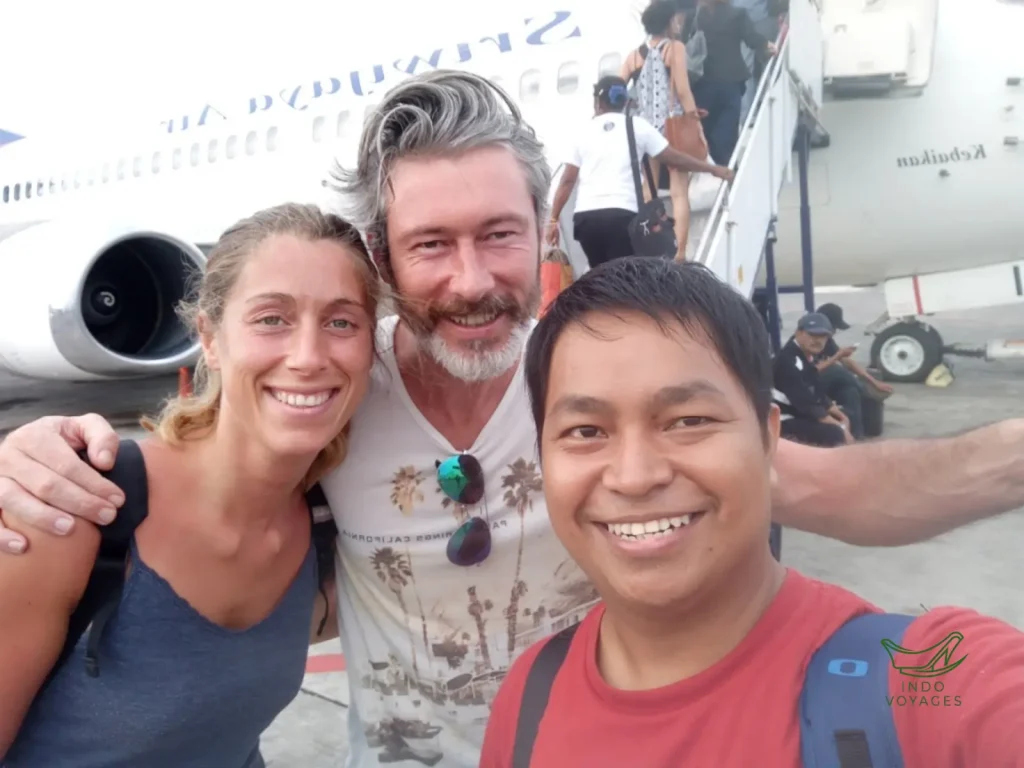
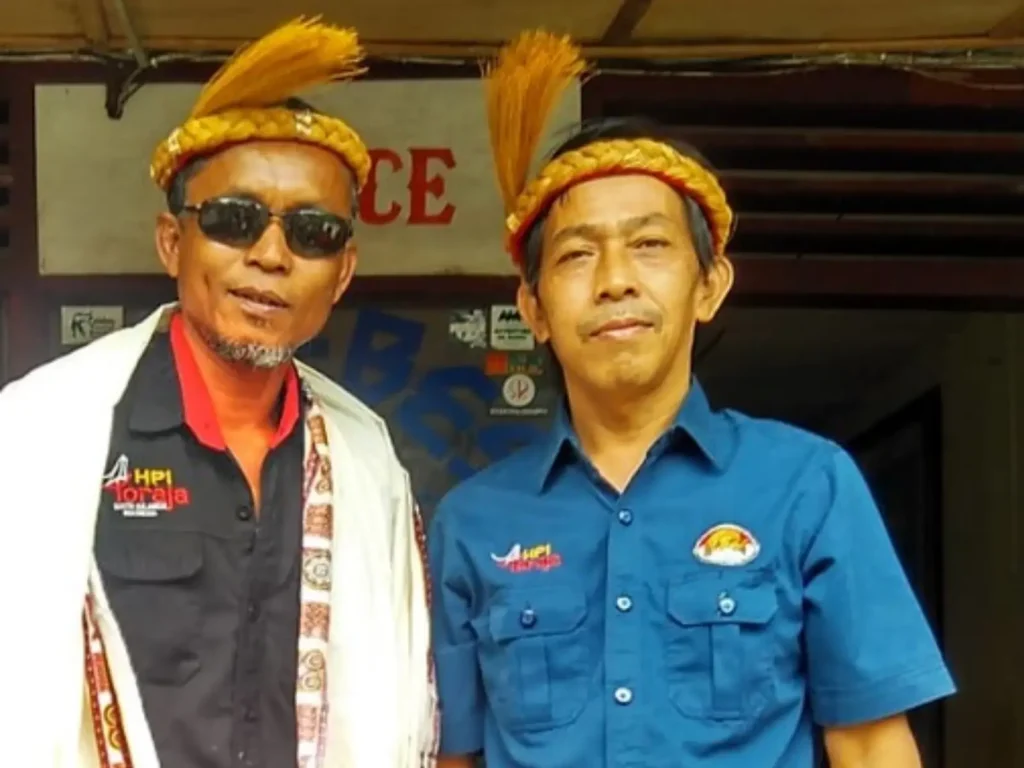
Francophone travelers can explore Toraja with local guides who speak French and understand the cultural context behind the villages, ceremonies, traditions, and landscapes of the region.
Frequently Asked Questions About Buntu Pune Toraja
Buntu Pune is located in the Toraja Highlands near Rantepao in North Toraja, South Sulawesi, Indonesia. The area is known for its traditional Torajan village atmosphere, cultural heritage, and scenic highland surroundings.
Buntu Pune is known as one of the traditional cultural areas in Toraja where visitors can experience local architecture, community life, and the atmosphere of the Torajan Highlands. The area reflects the deep connection between Torajan traditions, ancestral heritage, and everyday village life.
Yes. Buntu Pune is often associated with traditional Torajan settlements featuring tongkonan houses, rice barns, and cultural landscapes that remain connected to local customs and family traditions passed down through generations.
Visitors to Buntu Pune can explore traditional Torajan houses, village scenery, rice fields, and the surrounding highland landscapes. Depending on local activities and ceremonial schedules, travelers may also witness aspects of Torajan cultural life and community traditions.
Like many traditional areas in Toraja, Buntu Pune reflects the importance of ancestry, family lineage, and ceremonial traditions in Torajan society. Traditional houses and village layouts often carry symbolic meaning connected to social structure and local identity.
Buntu Pune can be visited throughout the year, but the dry season generally offers clearer weather and better conditions for exploring the village and surrounding landscapes. Morning and late afternoon are often the most comfortable times for walking and photography.
Yes, visitors can explore Buntu Pune independently. However, traveling with a local guide can provide deeper understanding about Torajan architecture, cultural symbolism, family traditions, and the stories behind the village environment.
Explore Buntu Pune with Local Insight
Buntu Pune offers more than scenic highland views. It provides a closer look into the living traditions, architecture, and cultural identity that continue to shape everyday life in Toraja.
As a Sulawesi-based local tour operator, Indo Voyages offers cultural journeys across Toraja that help travelers experience local communities, ancestral heritage, and meaningful stories beyond the surface.


 EN
 ID
 FR