
Pango-Pango Toraja - Pine Forest Viewpoint Above Makale Highlands
Pango-Pango is a highland viewpoint in Tana Toraja, South Sulawesi, known for its pine forest and sweeping valley views. Located above Makale, it offers sunrise, sunset, and a cool mountain atmosphere. A perfect escape to enjoy the natural beauty of the highlands.
What is Pango-Pango?
Pango-Pango is a highland tourism area located in Makale, Tana Toraja. It sits at a higher elevation overlooking valleys, rice fields, and distant mountain ranges in South Sulawesi.
The area is characterized by dense pine forests and open viewpoints that offer wide visibility over the surrounding landscape. Because of its altitude, Pango-Pango has a cool climate throughout the day, often becoming misty in the morning and golden during sunset.
It is easily accessible from Makale, making it one of the most convenient nature-based attractions in South Toraja.
The Pine Forest Experience
One of the main attractions of Pango-Pango is its pine forest setting. Tall pine trees create a calm, shaded environment that feels different from the open highlands of places like Ollon or Mount Sesean.
Visitors often come here to:
- Walk through cool pine forest trails
- Relax in natural seating areas
- Enjoy fresh mountain air
- Take photos in scenic forest light
The combination of forest atmosphere and highland views makes Pango-Pango a popular spot for both relaxation and photography.
Panorama of Toraja Highlands
From several viewpoints in Pango-Pango, visitors can see a wide panorama of the Toraja landscape.
The scenery typically includes:
- Makale town below
- Terraced rice fields and rural settlements
- Layered hills and mountain ridges
- Fog drifting through valleys in the morning
On clear days, the visibility stretches far across the South Toraja region, creating a dramatic layered landscape typical of the Toraja highlands.
Why Visit Pango-Pango?
Pango-Pango is popular because it offers a simple but rewarding experience in the Toraja highlands.
It is especially appealing for:
- Travelers seeking easy-access nature spots near Makale
- Families and casual tourists
- Photography enthusiasts
- Visitors looking for sunset viewpoints in South Sulawesi
Compared to more remote destinations in Toraja, Pango-Pango is relatively easy to reach and does not require long travel or trekking.
Best Time to Visit Pango-Pango
The best time to visit depends on the experience you want:
- Morning: misty pine forest and soft light
- Afternoon: clear valley views and relaxed atmosphere
- Sunset: golden sky and dramatic silhouettes
Dry season generally offers better visibility, but misty conditions during the wet season can also create a beautiful atmospheric effect.
How to Get to Pango-Pango
Pango-Pango is located near Makale in Tana Toraja and is easily accessible by car or motorbike.
Typical travel route:
- From Makale town: around 20-40 minutes drive uphill
- Road conditions are generally good but steep in some sections
- Accessible as a half-day trip from
- South Toraja base area
It is often included in short sightseeing routes around Makale and surrounding highland attractions.
Things to Prepare Before Visiting
- Light jacket (it can be cold and windy)
- Comfortable shoes for walking
- Camera or smartphone for photography
- Cash for entrance or local vendors
- Rain protection during wet season
Experience Toraja’s Highland Nature with Local Insight
Pango-Pango offers a peaceful contrast to Toraja’s cultural landmarks. Instead of traditional architecture and rituals, it focuses on the natural beauty of pine forests and highland scenery.
With local insight, visitors can better understand how places like Pango-Pango connect to the broader geography of Toraja, where mountains, forests, and valleys shape both daily life and travel experiences in South Sulawesi.
Visitor Information (2026 Travel Update)
Location
Pasang, South Makale District (Makale Selatan), Tana Toraja, South Sulawesi (±8–10 km from downtown Makale or ±35 km from Rantepao. Situated at an altitude of around 1,600–1,700 meters above sea level).
Entrance Fee
Around IDR 10,000–15,000 per person (Excludes vehicle parking fees: around IDR 5,000 for motorbikes and IDR 10,000 for cars. Gazebo rentals or camping spot fees are charged separately).
Recommended visit duration
2–3 hours for a standard visit (relaxing at the pine forest cafes, checking the viewing decks, and exploring the coffee agro-tourism), or overnight if you choose to camp.
Local Guide
Optional for navigation, but vehicle readiness is mandatory. The walking trails, concrete steps, and viewing platforms inside the park are well-managed and easy to navigate independently.
However, the mountain road leading up to Pango-Pango from Makale is very steep, narrow, and features extreme curves. Ensure your vehicle's brakes and engine are in prime condition; automatic scooters require extra caution.
Best Time to Visit
Early Morning (05:00 AM - 07:30 AM): The absolute prime time to witness the spectacular sunrise and the thick "sea of clouds" wrapping around the surrounding Toraja peaks.
Late Afternoon (16:00 PM – 18:00 PM): To enjoy the dramatic mountain sunset and watch the cool, thick fog quickly roll in through the pine trees.
Prices and arrangements may vary depending on local community management.
Nearby Places in Toraja
Pango-Pango is commonly visited together with:

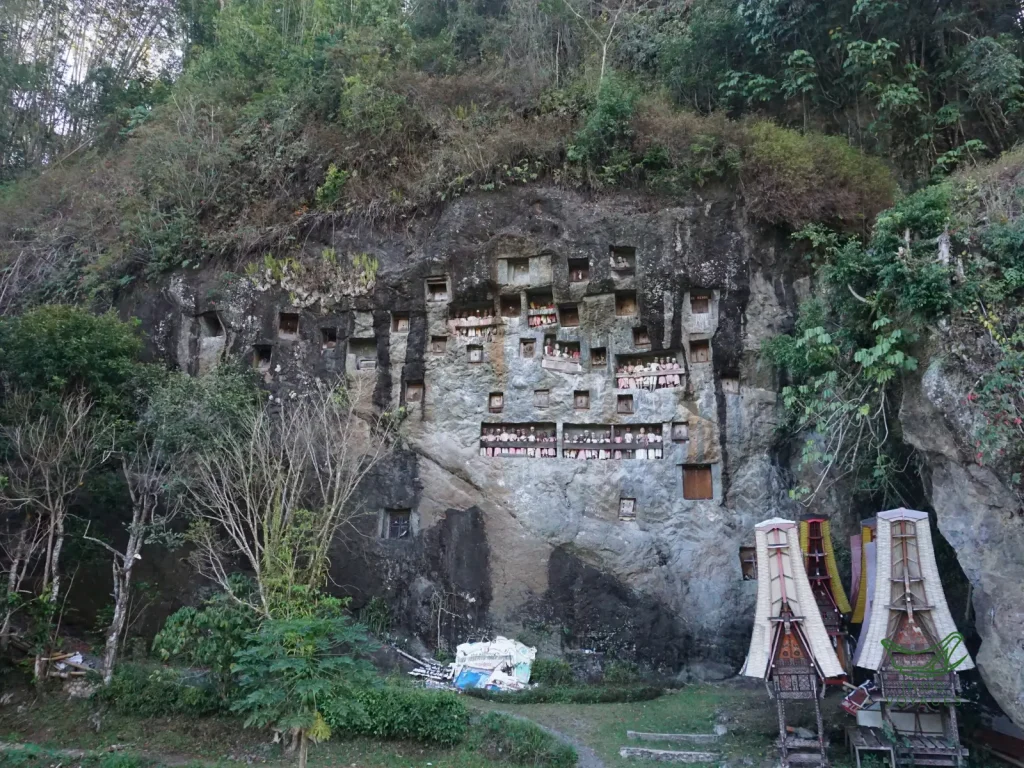

These sites are often combined into a half-day or full-day cultural journey through Toraja.
Travel Through Toraja, Sulawesi With a Local Expert
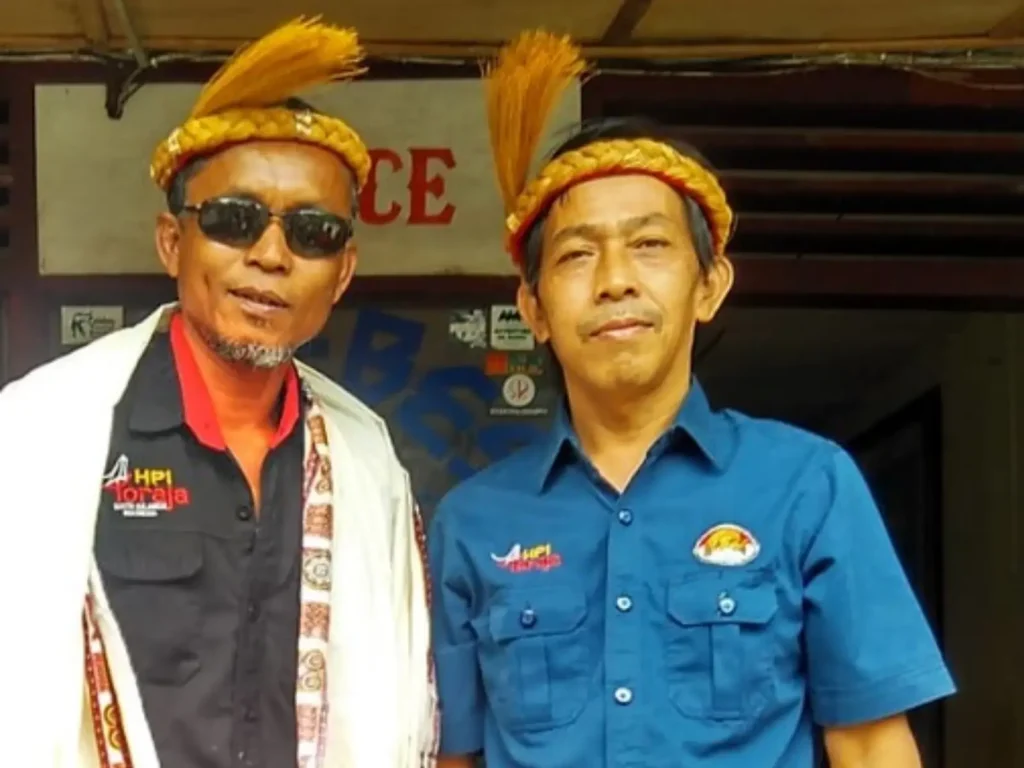
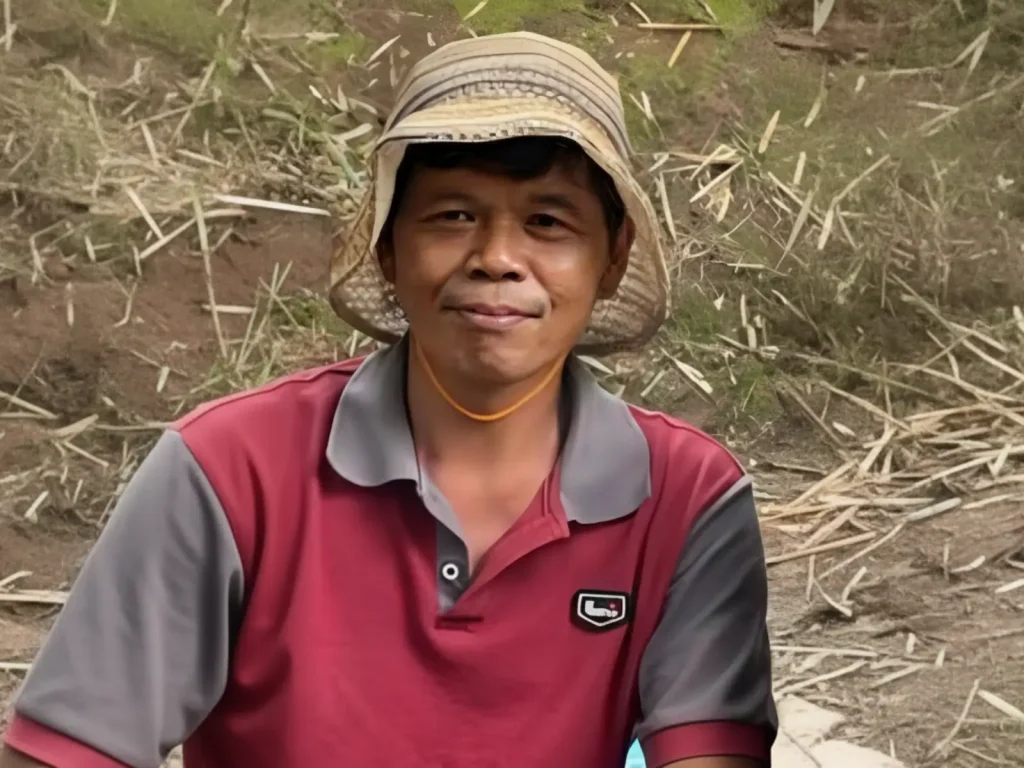
From traditional villages and burial sites to highland landscapes and rural communities, a local guide can help connect the places you visit with the stories and traditions behind them.
Frequently Asked Questions About Pango Pango Toraja
Pango Pango is located in the southern highlands of Tana Toraja, South Sulawesi, Indonesia, near Makale in South Makale District. The area lies in the mountainous region of Toraja at an elevation of around 1,600-1,700 meters above sea level.
Pango Pango is famous for its pine forests, panoramic mountain scenery, cool climate, and cloud-covered landscapes often described as a “land above the clouds.” The destination is also known for agro-tourism experiences connected to coffee plantations, camping areas, and highland nature tourism.
Pango Pango is primarily known as a nature and agro-tourism destination rather than a ceremonial or burial heritage site. Unlike destinations such as Lemo or Ke’te Kesu, Pango Pango focuses more on highland scenery, pine forests, outdoor activities, and rural landscapes within the Toraja Highlands.
Visitors can enjoy panoramic viewpoints, forest walks, coffee plantation scenery, camping, photography, picnics, and outdoor activities. Some areas also include gazebos, viewing platforms, cafés, and simple recreational facilities designed for families and nature travelers.
Pango Pango is considered an agro-tourism area because the surrounding landscape combines forests with agricultural activities such as coffee and clove plantations. Local communities continue to cultivate crops in the highlands while tourism activities develop alongside the natural environment.
Yes. Historical references indicate that the Pango Pango highlands were used during the Dutch colonial period and later during the Japanese occupation in the 1940s. Because of its cool climate and elevated location, the area was considered strategically important and was also used as a refuge during wartime periods in Toraja.
Pango Pango sits at a relatively high elevation in the Toraja Highlands, surrounded by pine forests and mountain landscapes. The altitude creates cooler temperatures and misty conditions, especially in the morning and evening.
Yes. Pango Pango is one of the popular camping areas in Toraja because of its pine forest environment, mountain atmosphere, and panoramic scenery. Many visitors come for overnight camping, sunrise views, and cooler highland weather.
The dry season is generally considered the best time to visit because visibility is often clearer and outdoor activities are easier. Early morning is especially popular for cloud views and cool mountain atmosphere, while late afternoon offers softer lighting for photography.
The route to Pango Pango passes through steep and winding mountain roads typical of the Toraja Highlands. Visitors usually travel by private car or motorbike, and careful driving is recommended, especially during rainy weather.
Yes. Pango Pango is often combined with nearby destinations around Makale and the southern Toraja Highlands, including Buntu Burake, Sangalla cultural sites, traditional villages, and scenic viewpoints across Tana Toraja.
Yes, visitors can explore Pango Pango independently. However, local guides can help travelers better understand the surrounding agricultural landscape, Torajan highland environment, and nearby cultural areas while also assisting with local routes and hidden viewpoints.
Explore Pango Pango with Local Insight
Pango Pango offers a different side of Toraja beyond traditional villages and burial heritage. It is a highland landscape where pine forests, mountain air, coffee plantations, and panoramic scenery come together within the natural environment of South Sulawesi.
As a Sulawesi-based local tour operator, Indo Voyages offers journeys across Toraja that connect travelers with local landscapes, rural communities, and meaningful experiences throughout the highlands.

 EN
 ID
 FR