
Lemo Cliff Toraja: Hanging Graves & Tau-Tau Statues
Lemo Cliff Burial Site is one of the most iconic cultural attractions in Tana Toraja, South Sulawesi, Indonesia. Famous for its hanging graves carved into limestone cliffs and rows of tau-tau wooden statues overlooking the valley, Lemo offers a unique insight into Toraja ancestral traditions, funeral culture, and spiritual beliefs.
What is Lemo Cliff Burial Site in Tana Toraja and Why is It So Famous?
Lemo Cliff Burial Site is one of the most important cultural landmarks in Tana Toraja, South Sulawesi, Indonesia. The site is famous for its ancient hanging graves carved into limestone cliffs and rows of tau-tau wooden statues representing the deceased.
For the Toraja people, death is not viewed as an ending, but as part of a continuing spiritual journey. Instead of conventional cemeteries, families place the deceased inside rock-carved burial chambers, while tau-tau effigies symbolically watch over the living from the cliffside.
Beyond its dramatic appearance, Lemo offers a deeper understanding of Toraja ancestral beliefs, funeral traditions, and social identity that have been preserved for generations.
Where is Lemo Located and How to Get There?
Lemo is located in the southern part of Tana Toraja, South Sulawesi, and can be reached easily from Makale or Rantepao by car or motorbike.
The journey to Lemo passes through rice fields, rural villages, and scenic highland landscapes, making it one of the most accessible cultural sites in Toraja. Many travelers combine Lemo with nearby attractions such as Ke’te Kesu, Londa Burial Caves, and Suaya Royal Graves as part of a cultural day trip across the Toraja highlands.
For travelers exploring Toraja more deeply, local cultural guides can provide valuable context about burial traditions, tau-tau symbolism, and the history of Toraja ancestral rituals.
Main Highlights of Londa Burial Caves
1. The Cliff Graves and Tau-Tau Statues of Lemo
One of the most striking features of Londa is the wooden coffins known locally as erong. These are placed along limestone cliffs and inside carved niches.
Their positioning often reflects family lineage and traditional social structure. Over time, these coffins have become part of the cliff itself, blending human history with natural rock formations.
2. Tau-Tau Effigies and Symbolism in Toraja Culture
Tau-tau are wooden effigies made to resemble the deceased and are unique to the Toraja ethnic group in South Sulawesi.
At Lemo, these figures are placed in open cliffside niches facing the valley, creating one of the most iconic visual landscapes in Toraja culture. Each tau-tau is carefully crafted to represent identity, status, and ancestral memory.
Although many original tau-tau have been preserved or relocated for protection, Lemo remains one of the best places to understand their cultural and historical significance.
Why Lemo is a Must-Visit Destination in Toraja
Lemo is not just a tourist attraction, it is a cultural site that represents the deep spiritual worldview of the Torajan people.
Visitors come to Lemo to experience:
One of the most iconic cliff burial sites in Indonesia
A direct view of tau-tau ancestral effigies
A powerful cultural landscape combining nature and ritual
Insight into Toraja’s unique view of life, death, and ancestry
It is one of the most photographed and culturally significant sites in South Sulawesi.
Cultural Etiquette and Responsible Travel at Lemo
Lemo is a sacred burial site and should be visited with respect and cultural awareness.
Visitors are expected to:
Avoid touching or climbing burial structures
Refrain from loud behavior or disrespectful actions
Follow instructions from local guides or caretakers
Ask permission before taking close-up photographs
Respect the site as an active cultural heritage area
Entrance fees help support local preservation efforts and maintenance of the cliff structures.
Visitor Information (2026 Travel Update)
Location
Lemo Village, North Makale District (Makale Utara), Tana Toraja Regency, South Sulawesi (±6 km north of Makale or ±12 km south of Rantepao. Positioned conveniently just off the main trans-Toraja highway).
Entrance Fee
Domestic Visitors: IDR 20,000–25,000 per person
International Visitors: IDR 30,000–50,000 per person
(Excludes vehicle parking fees: around IDR 5,000 for motorbikes and IDR 10,000 for cars).
Recommended visit duration
1–1.5 hours (This allows enough time to walk through the scenic rice fields leading to the cliff, observe the tau-tau effigies, and visit the local woodcarvers' workshops nearby).
Local Guide
Highly Recommended. Lemo is not just a visual attraction; it is a visual genealogy. A local guide is essential to explain the rigid social stratification of the Tau-tau (wooden effigies), the spiritual anatomy of the cliff, and how a single family tomb (Liang) can be used for generations.
Best Time to Visit
Morning (09:00 AM – 11:00 AM) is absolute gold. The sheer limestone cliff at Lemo faces directly east. Visiting in the morning ensures the sunlight hits the Tau-tau balconies and the rock face perfectly, providing spectacular visibility and photography conditions. By afternoon, the cliff falls into deep shadow.
Prices and arrangements may vary depending on local community management.
Nearby Places in Toraja
Lemo is commonly visited together with:


These sites are often combined into a half-day or full-day cultural journey through Toraja.
Explore Toraja With a Local Guide

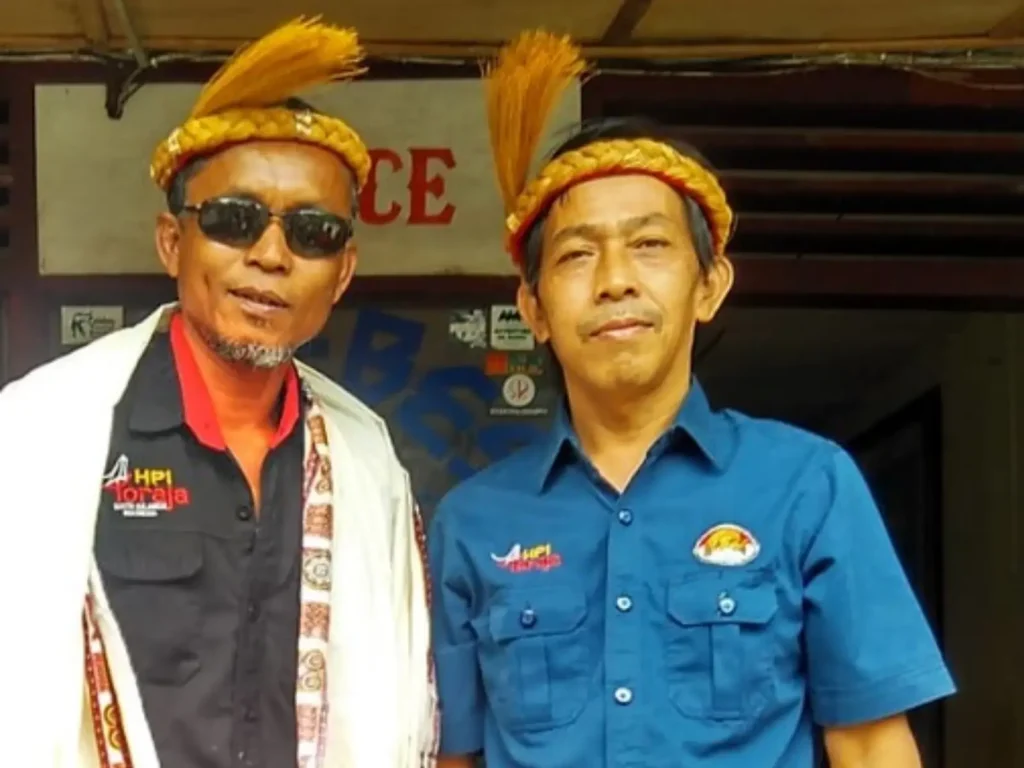
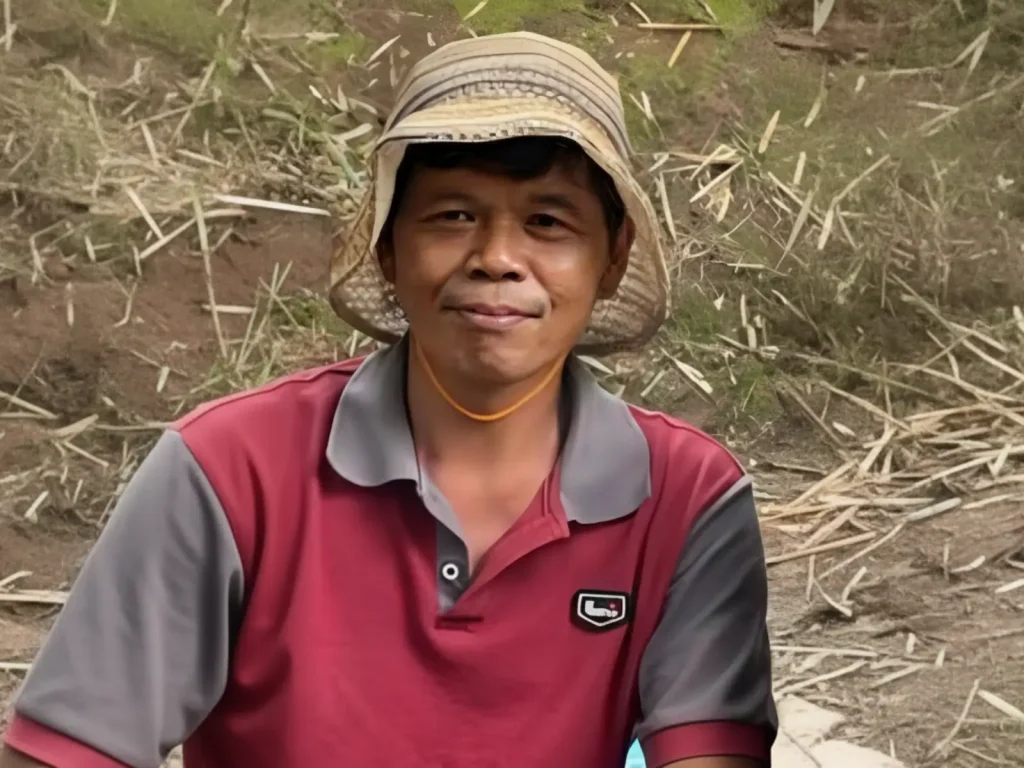
Discover Toraja with experienced local guides who understand the region, its culture, traditions, and communities from within.
Meet Herman, Asis, and Uttu, our local Toraja guides for private journeys, cultural visits, village experiences, trekking, and deeper exploration across Tana Toraja and North Toraja.
Frequently Asked Questions About Lemo Toraja
Lemo is located in Tana Toraja, South Sulawesi, Indonesia, not far from Makale and the central Toraja Highlands. It is one of the most famous cultural and burial heritage sites in Toraja.
Lemo is famous for its cliffside burial site featuring rows of tau tau statues carved into rocky cliffs. The site is often referred to as one of the most iconic cultural landmarks in Toraja because of its unique funeral traditions and ancestral heritage.
Tau tau are wooden effigies representing deceased family members. In Torajan tradition, these statues symbolize the presence and memory of ancestors. At Lemo, the tau tau figures are displayed on balconies carved into the limestone cliffs overlooking the surrounding landscape.
Lemo reflects the deep connection between Torajan funeral traditions, ancestry, and spiritual beliefs. The burial site represents respect for family lineage and the belief that death is part of an ongoing relationship between the living and their ancestors.
Yes, some burial cave areas at Lemo can be explored by visitors. Inside the caves, travelers may see traditional coffins, ancestral remains, and historical burial chambers. Visitors are expected to behave respectfully because the site is considered sacred by local communities.
Lemo is especially known for its dramatic cliffside appearance and visible tau tau statues arranged across the rock face. Compared to some other Toraja burial sites, Lemo is often considered one of the most visually recognizable and accessible cultural destinations.
Lemo can be visited throughout the year, but mornings and late afternoons are generally more comfortable because of cooler temperatures and softer lighting. The dry season often provides clearer weather conditions for sightseeing and photography.
Yes, visitors can explore Lemo independently. However, visiting with a local guide can help travelers better understand the symbolism of the tau tau, funeral customs, and the cultural meaning behind Torajan burial traditions.
Explore Lemo with Local Insight
Lemo is more than a cliffside burial site. It is a cultural landscape where ancestral memory, spirituality, and Torajan identity remain deeply connected across generations.
As a Sulawesi-based local tour operator, Indo Voyages offers cultural journeys across Toraja that help travelers experience local traditions, heritage sites, and meaningful stories with deeper cultural understanding.


 EN
 ID
 FR