
Wakatobi Travel Guide 2026: Diving, Islands & Local Sulawesi Insight
Discover Wakatobi with local Sulawesi insight. Explore diving, snorkeling, Bajo villages, island hopping, travel routes from Bali, and authentic experiences across Southeast Sulawesi.
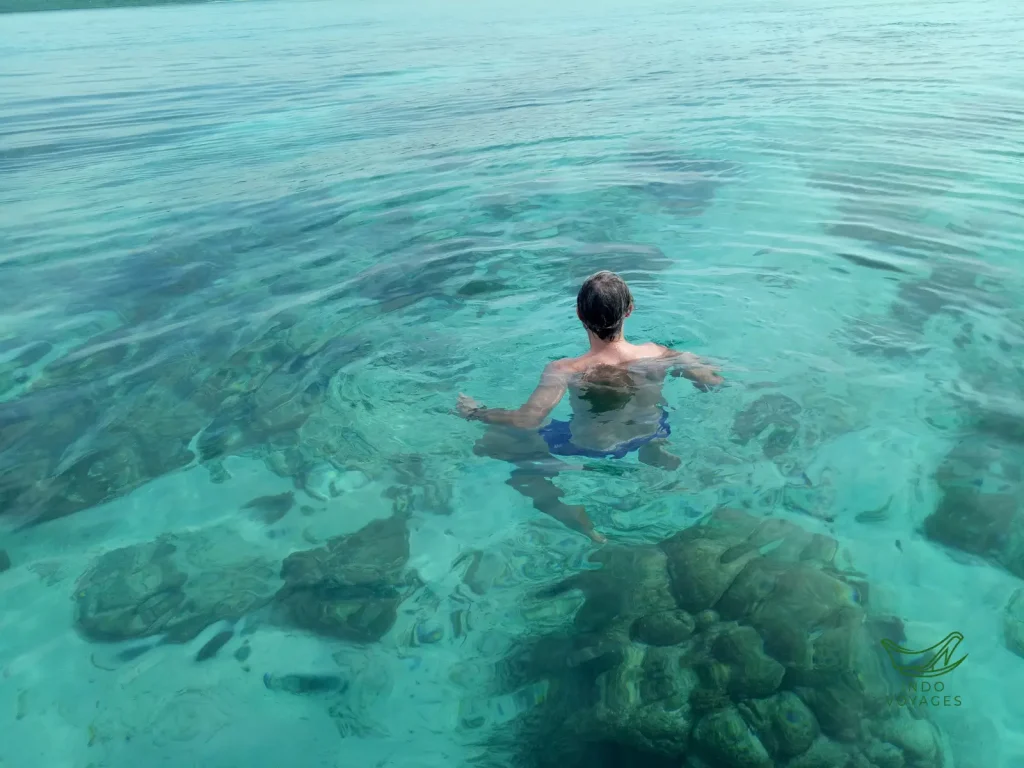
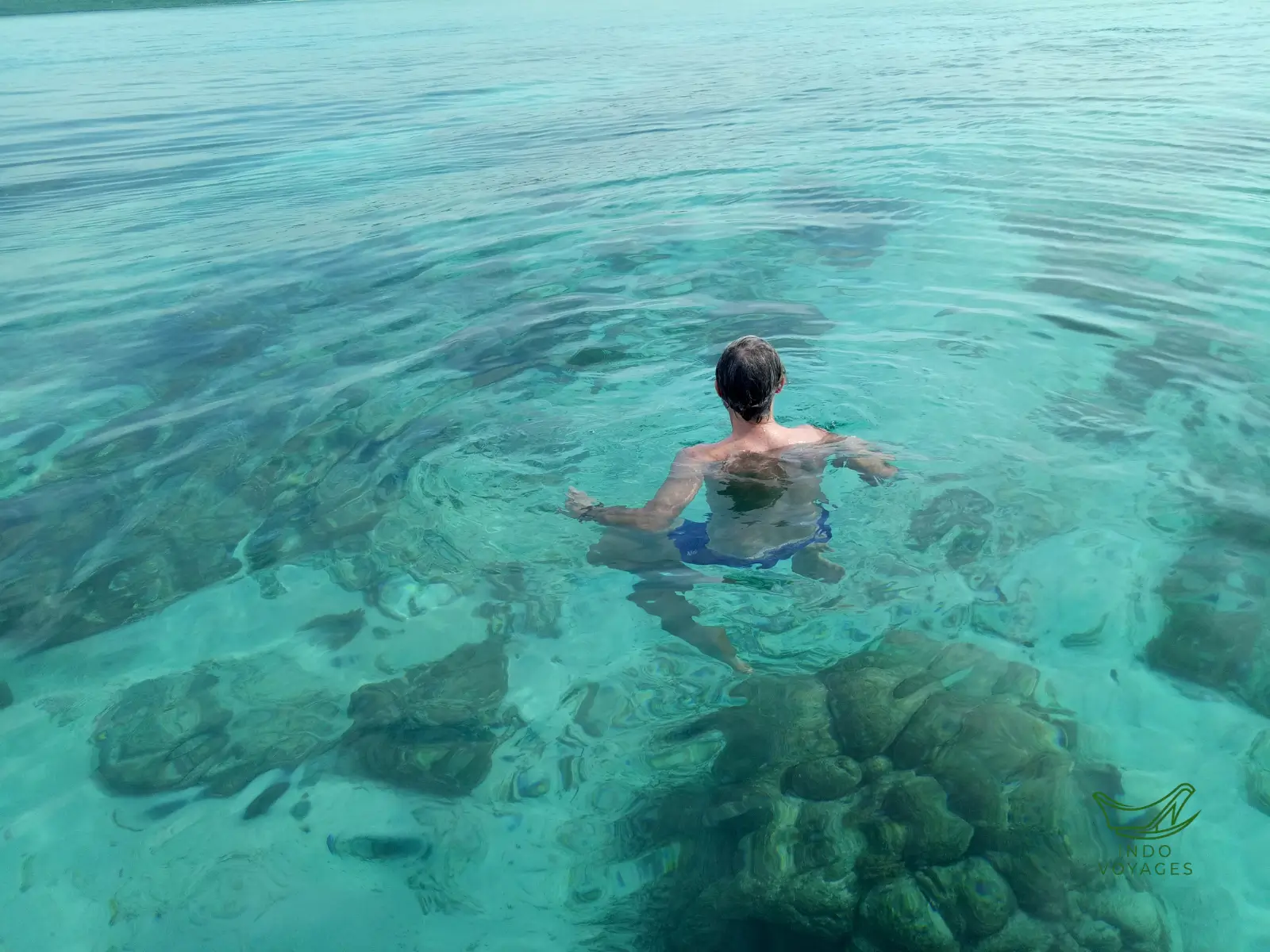
Indonesia’s top snorkeling destinations
Wakatobi is one of Indonesia’s most remarkable marine destinations, known for its coral reefs, island landscapes, underwater biodiversity, and relaxed tropical atmosphere. Located in Southeast Sulawesi, the archipelago attracts travelers interested in diving, snorkeling, island life, photography, and deeper journeys across Indonesia.
For many visitors, Wakatobi is first associated with world-class diving. But the experience goes far beyond underwater exploration alone. Traditional Bajo sea villages, quiet coastal communities, white sand beaches, mangrove forests, and slower island rhythms all shape the character of the region.
Many travelers who visit Wakatobi describe the destination less as a place of attractions and more as an experience shaped by the sea, the islands, and the pace of life itself.
For travelers exploring Sulawesi more deeply, Wakatobi is often combined with destinations such as Tana Toraja, Bunaken, Central Sulawesi, Makassar, or the Banggai Islands.
Where Is Wakatobi?
Wakatobi is an archipelago located in Southeast Sulawesi Province, Indonesia. The name “Wakatobi” comes from its four main islands:
- Wangi-Wangi
- Kaledupa
- Tomia
- Binongko
These islands form part of the Tukang Besi archipelago and are surrounded by protected marine ecosystems within Wakatobi National Park.
The region is internationally recognized for its marine biodiversity and is also designated as a UNESCO Biosphere Reserve because of its ecological importance.
Why Is Wakatobi Famous?
Wakatobi is best known for:
- Coral reef diversity
- Clear tropical waters
- Diving and snorkeling
- Marine biodiversity
- Bajo sea culture
- Island hopping
- Coastal scenery
- Relaxed island atmosphere
The archipelago lies within the Coral Triangle, one of the world’s richest marine ecosystems. Divers, underwater photographers, and marine travelers often visit Wakatobi because of its healthy coral systems, colorful reefs, and calm underwater conditions.
At the same time, many travelers who are not divers also enjoy Wakatobi for its island landscapes, slower pace of travel, and connection to local coastal life.
What Makes Wakatobi Different?
One of the things that makes Wakatobi memorable is the atmosphere of the journey itself.
Travel here is often shaped by:
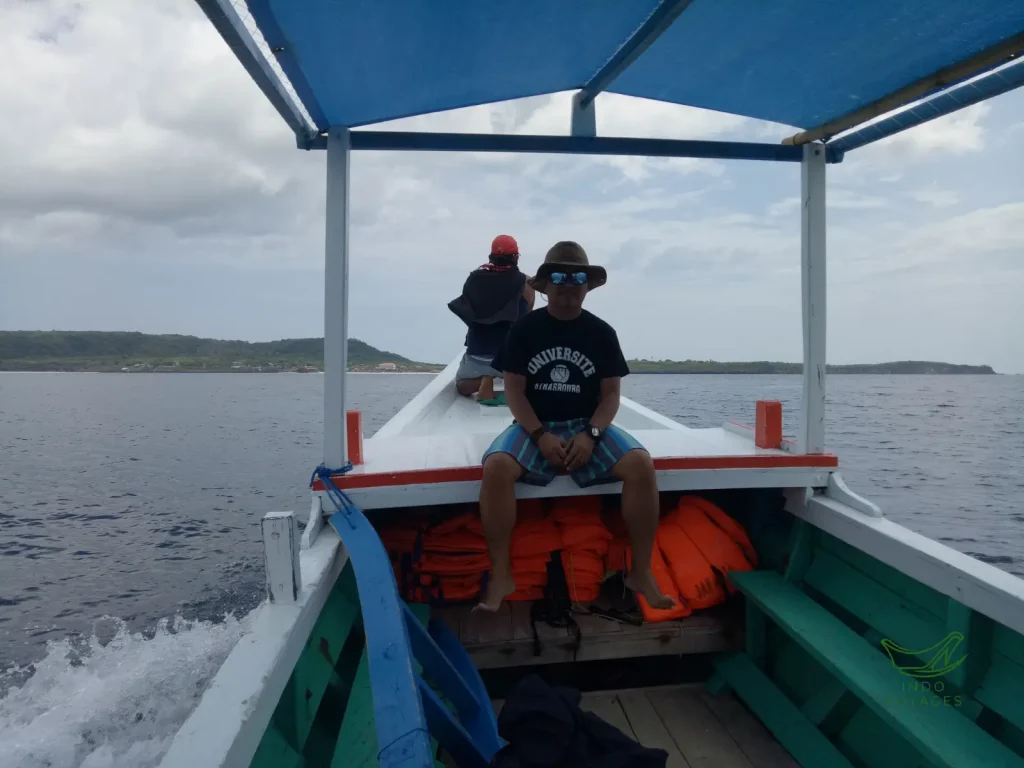
- Long boat rides between islands
- Quiet mornings near the sea
- Snorkeling directly from shore
- Conversations with local communities
- Sunsets over small harbors
- Time spent moving slowly across the archipelago
Even travelers who return multiple times often say each journey feels different depending on the season, weather, marine life, and local encounters along the way.
Best Things To Do In Wakatobi
1. Diving In Wakatobi
Diving is one of the main reasons international travelers visit Wakatobi.
The region offers:
- Coral walls
- Reef gardens
- Drift dives
- Pinnacles
- Macro diving
- Beginner-friendly dive sites
- Excellent underwater visibility
Marine life commonly seen includes:
- Sea turtles
- Reef fish
- Nudibranchs
- Pygmy seahorses
- Moray eels
- Octopus
- Colorful hard and soft corals
Many experienced divers appreciate Wakatobi for its coral quality, reef health, and relaxed diving conditions.
2. Snorkeling
You do not need to dive to enjoy Wakatobi.
Several reefs are shallow and accessible directly from beaches or short boat rides, making the area suitable for:
- Beginner snorkelers
- Couples
- Families
- Non-divers
- Nature-focused travelers
In some places, coral reefs begin only a short distance from shore.
3. Explore Bajo Villages
One of the most culturally interesting experiences in Wakatobi is visiting Bajo communities.
The Bajo people have long traditions connected closely to the sea. In several villages across the islands, visitors can see:
- Wooden stilt houses above the water
- Traditional fishing boats
- Sea-based daily life
- Coastal community culture
Traveling with local guides can help visitors better understand the traditions, stories, and rhythms of life within these communities.
4. Island Hopping
Island hopping is one of the best ways to experience Wakatobi beyond the main islands.
Travelers often explore:
- Small tropical islands
- Sandbars
- Mangrove coastlines
- Quiet beaches
- Fishing villages
- Remote snorkeling spots
Each island offers a different atmosphere, landscape, and local character.
5. Beaches & Coastal Landscapes
Wakatobi is home to many peaceful coastal areas with:
- White sand beaches
- Turquoise water
- Calm sea conditions
- Sunset viewpoints
- Coconut-lined shorelines
The beauty of Wakatobi comes less from large tourism infrastructure and more from the simplicity of island life and natural scenery.
Main Islands In Wakatobi
1. Wangi-Wangi Island
Wangi-Wangi is the main gateway to Wakatobi because Matahora Airport is located here.
The island offers:
- Harbor access
- Local markets
- Hotels and guesthouses
- Beaches
- Restaurants
- Nearby snorkeling spots
Most travelers begin and end their Wakatobi journey here.
2. Tomia Island
Tomia is especially known for diving and reef systems.
The island is popular for:
- Coral walls
- Dive resorts
- Marine biodiversity
- Clear waters
- Snorkeling and diving access
Many of Wakatobi’s best-known dive sites are located around Tomia.
3. Kaledupa Island
Kaledupa offers a quieter and more local atmosphere.
The island is known for:
- Bajo villages
- Mangrove forests
- Eco-tourism experiences
- Traditional island life
- Relaxed coastal scenery
Travelers interested in culture and slower island exploration often enjoy spending time here.
4. Binongko Island
Binongko is the most remote of the four main islands and receives fewer visitors.
The island appeals especially to travelers interested in:
- Remote island journeys
- Local coastal life
- Longer exploration routes
- Less-visited parts of Wakatobi
How To Get To Wakatobi
Traveling to Wakatobi requires more planning than many other Indonesian destinations, but that is also part of the experience of reaching the islands.
Most travelers reach Wakatobi through:
- Makassar
- Kendari
- Wangi-Wangi (Matahora Airport)
After arriving, transportation between islands is usually done by:
- Speedboats
- Public ferries
- Resort transfers
- Private local boats
Because schedules can change depending on sea conditions and weather, advance planning is recommended.
How To Get To Wakatobi From Bali
The most common route from Bali to Wakatobi is:
Bali (Denpasar) to Makassar to Wangi-Wangi (Matahora Airport)
Some travelers also transit through Kendari before continuing to Wakatobi.
Depending on schedules and connections, the journey may require an overnight stay in Makassar or Kendari before continuing to Southeast Sulawesi.
Certain marine resorts also organize private charter flights on specific schedules.
Because domestic connections in eastern Indonesia can change seasonally, many travelers prefer organizing routes with experienced local Sulawesi specialists familiar with regional logistics.
Best Time To Visit Wakatobi
Wakatobi can generally be visited throughout the year, though sea conditions are often calmer during the drier months between April and November.
In general:
- Dry months usually offer calmer seas
- Underwater visibility is often better during stable weather
- Rainy periods may affect ferry schedules
- Shoulder seasons can feel quieter and more relaxed
For diving-focused trips, sea conditions and visibility are often more important than traditional tourism seasons.
How Many Days Do You Need In Wakatobi?
Wakatobi is best experienced slowly rather than as a rushed trip.
Recommended trip durations:
- 4–5 days for diving or snorkeling
- 7–10 days for island hopping and marine exploration
- 2 weeks or more when combined with other Sulawesi destinations
Many travelers combine Wakatobi with:
- Tana Toraja
- Makassar
- Bunaken
- Banggai Islands
- Central Sulawesi
Is Wakatobi Worth Visiting?
For travelers interested in:
- Coral reefs
- Island scenery
- Marine biodiversity
- Snorkeling
- Diving
- Slow island travel
- Local coastal culture
Wakatobi is absolutely worth visiting.
The destination is especially rewarding for travelers who enjoy spending time in nature and exploring Indonesia through longer, more meaningful journeys.
Explore Wakatobi With A Local Guide
Planning a journey through Wakatobi often involves coordinating domestic flights, island transfers, local boats, weather conditions, and travel logistics across Southeast Sulawesi.
For many travelers, exploring Wakatobi with a local guide can create a smoother and more meaningful experience, especially when visiting multiple islands or combining marine activities with cultural experiences along the journey.
Local insight can also help travelers better understand:
- Bajo sea culture
- Island transportation
- Seasonal travel conditions
- Local communities
- Snorkeling and diving areas
- Less rushed travel routes across Sulawesi
Because Wakatobi is spread across several islands, having regional knowledge often makes the experience feel more relaxed and connected.
Visitor Information (2026 Travel Update)
Location
Wakatobi Regency (Wangi-Wangi, Kaledupa, Tomia, Binongko islands), Southeast Sulawesi. Accessible via flight to Matahora Airport in Wangi-Wangi or by ferry from Kendari/Bau-Bau.
Entrance Fee
Wakatobi National Park fee is around IDR 20,000–50,000 for domestic visitors and IDR 150,000 for international visitors (Excludes separate marine conservation, diving, or island boat rental fees).
Recommended visit duration
4–7 days (Essential for island hopping, exploring top-tier dive sites, and experiencing local cultural villages).
Local Guide
Local Guide & Dive Master Highly Recommended. Crucial for navigating marine conservation zones safely, finding the best diving/snorkeling spots, and visiting the remote Bajo (Sea Gypsy) communities.
Best Time to Visit
April to June and September to November: The ultimate windows offering the calmest seas, optimal boat travel safety, and crystal-clear underwater visibility up to 30 meters.
Prices and arrangements may vary depending on local community management.
Top Destinations In Sulawesi


These sites are often combined into journey through Sulawesi.
Frequently Asked Questions About Wakatobi
Wakatobi is known for diving, snorkeling, coral reefs, marine biodiversity, island scenery, and Bajo sea culture.
Yes. Many snorkeling and diving sites have calm conditions suitable for beginners.
No. Many travelers visit Wakatobi for snorkeling, beaches, island hopping, photography, and cultural experiences.
Each island offers a different experience:
- Tomia for diving
- Wangi-Wangi for access and local life
- Kaledupa for culture and mangroves
- Binongko for remote exploration
Travel is usually done by:
- Public ferries
- Speedboats
- Resort transfers
- Private boats
Schedules can vary depending on weather conditions.
Most travelers arrive through Matahora Airport on Wangi-Wangi Island.
Yes. Calm beaches, snorkeling, island experiences, and marine life can make Wakatobi enjoyable for families.
Yes. Many travelers combine Wakatobi with Tana Toraja, Bunaken, Makassar, Central Sulawesi, or the Banggai Islands.
The name comes from the four main islands:
- WA: Wangi-Wangi
- KA: Kaledupa
- TO: Tomia
- BI: Binongko
Yes. Wakatobi is considered one of Indonesia’s top snorkeling destinations because of its shallow reefs, clear water, and marine biodiversity.
Sulawesi Tour Guide
Indo Voyages is a local Sulawesi travel specialist with years of experience guiding travelers across different regions of the island, including Wakatobi, Tana Toraja, Makassar, Bunaken, Central Sulawesi, and the Banggai Islands.
Several members of the team also work as Francophone Sulawesi guides, accompanying French-speaking travelers through Indonesia with a deeper cultural and local approach to travel.
After more than two decades in tourism, we believe every journey through Sulawesi reveals different landscapes, encounters, traditions, and stories. Even when returning to the same destination, the experience is never exactly the same twice.
That is part of what continues to make traveling through Sulawesi and Wakatobi such a memorable experience.


 EN
 ID
 FR