
Discover Tana Toraja: Top Tourist Attractions in the Highlands of Sulawesi
Explore Tana Toraja in South Sulawesi, a highland destination famous for its cliff graves, traditional villages, mountain landscapes, and unique living culture. Find the best places to visit, things to do, and travel itinerary in this complete Toraja guide.
Why Tana Toraja is One of the Best Destinations in Indonesia
Tana Toraja stands out because it combines culture, nature, and living tradition in one destination. It is not only about sightseeing, but about understanding a deeply rooted cultural system that still exists today.
What makes Toraja unique:
- A living ancestral culture still practiced daily
- One of the most complex funeral traditions in the world (Rambu Solo’)
- Dramatic highland landscapes with valleys, cliffs, and misty viewpoints
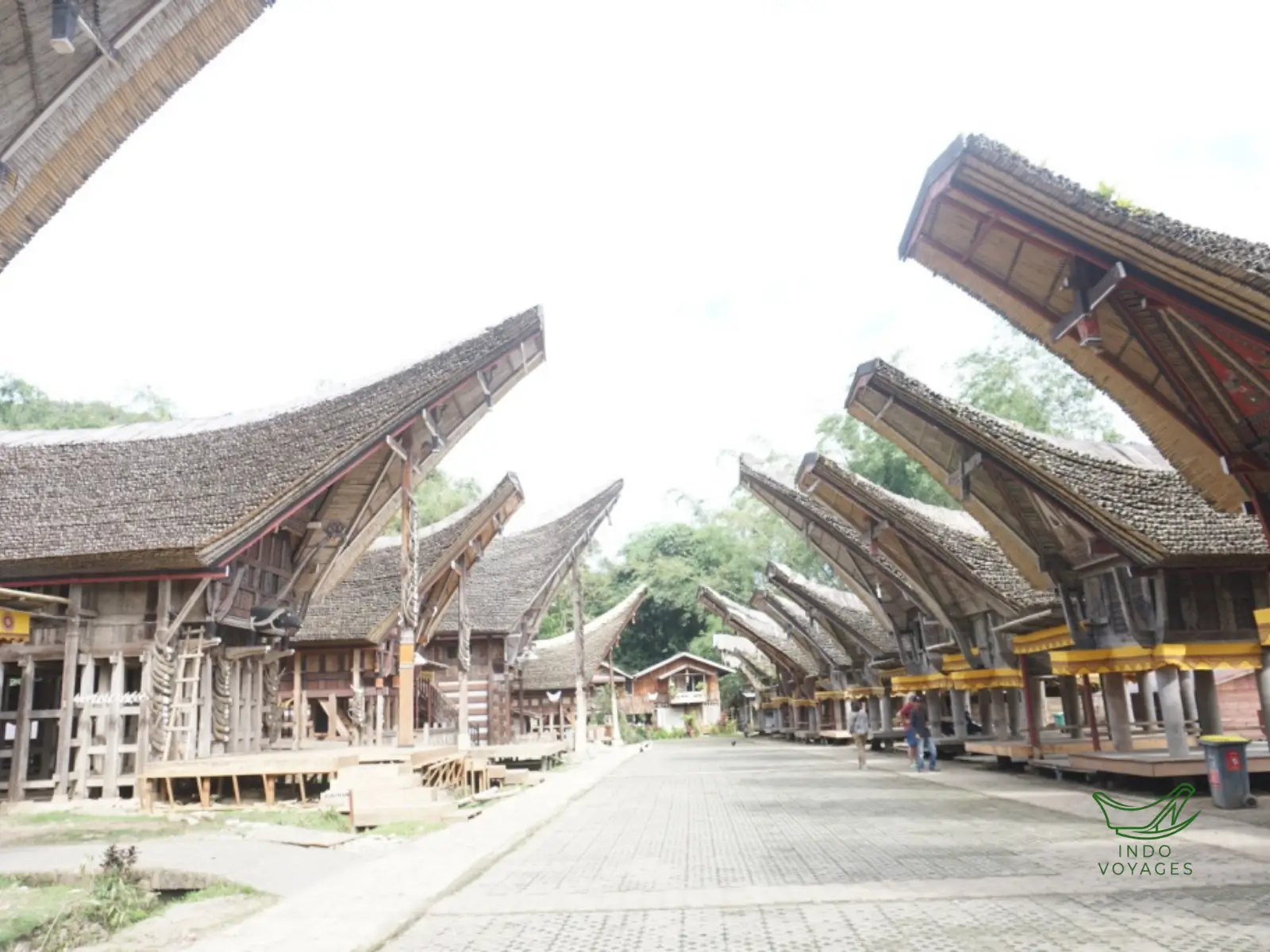
- Traditional villages with Tongkonan architecture still inhabited
- Strong cultural identity preserved across generations
For travelers, Toraja offers more than tourism, it offers cultural immersion in a living civilization.
Where is Tana Toraja? (Location & Travel Map Overview)
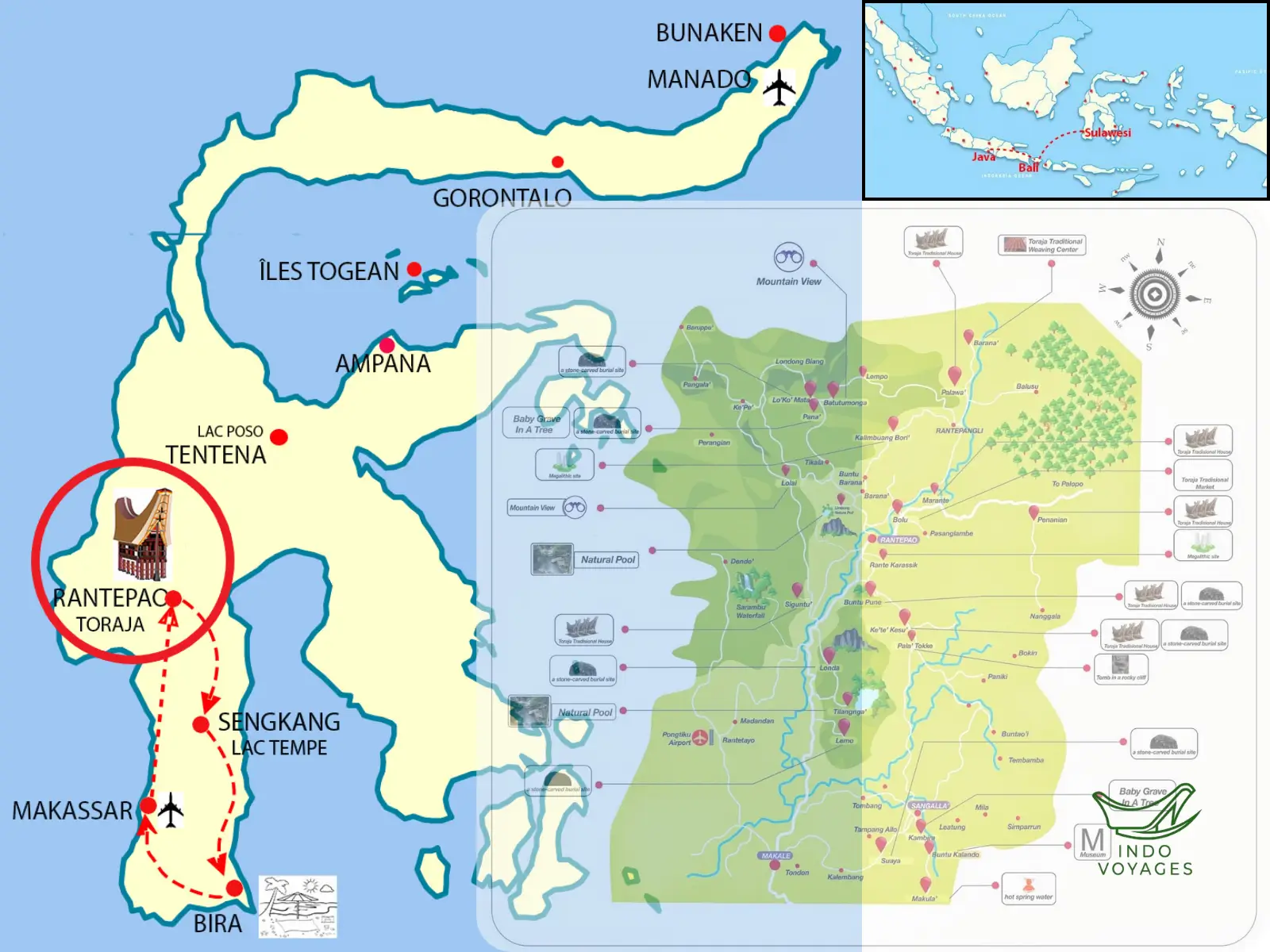
Tana Toraja is located in the mountainous region of South Sulawesi, Indonesia, with Rantepao as the main tourism base.
How to Get to Toraja From Bali
- Bali – Makassar: direct domestic flight (approx. 1.5–2 hours)
- From Makassar: approximately 8–10 hours by road, or
- Direct flight Makassar – Toraja Airport (±55–60 minutes)
- The route passes through coastal roads, mountain curves, and highland valleys
- Climate: cool, misty, and mountainous year-round
- North Highlands: Lolai, Batutumonga, Pango-Pango
- Central Cultural Area: Kete Kesu, Lemo, Londa
- Southern Valleys: Ollon Valley, Bittuang, Sa’dan Valley
Top Tourist Attractions in Toraja (Complete Travel Guide)
1. Londa Burial Caves
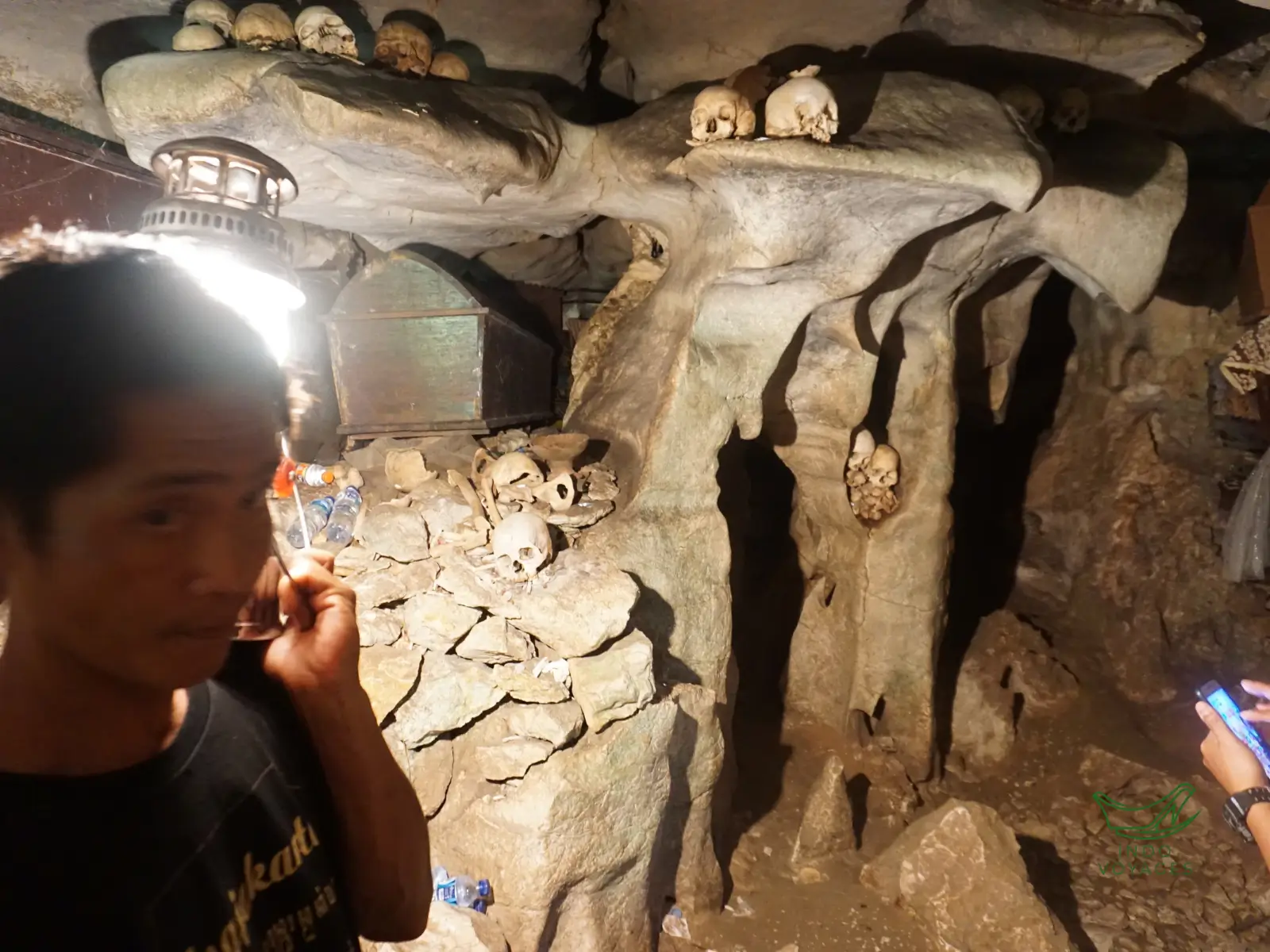
Located just a short drive from Rantepao, Londa is one of the most famous burial sites in Toraja. It features a natural limestone cave filled with wooden coffins and tau-tau effigies placed inside and along the cliffs. Visitors can enter the cave with a local guide to explore its ancient chambers. It offers one of the most direct experiences of Toraja’s funeral traditions.
2. Ke’te Kesu Cultural Village
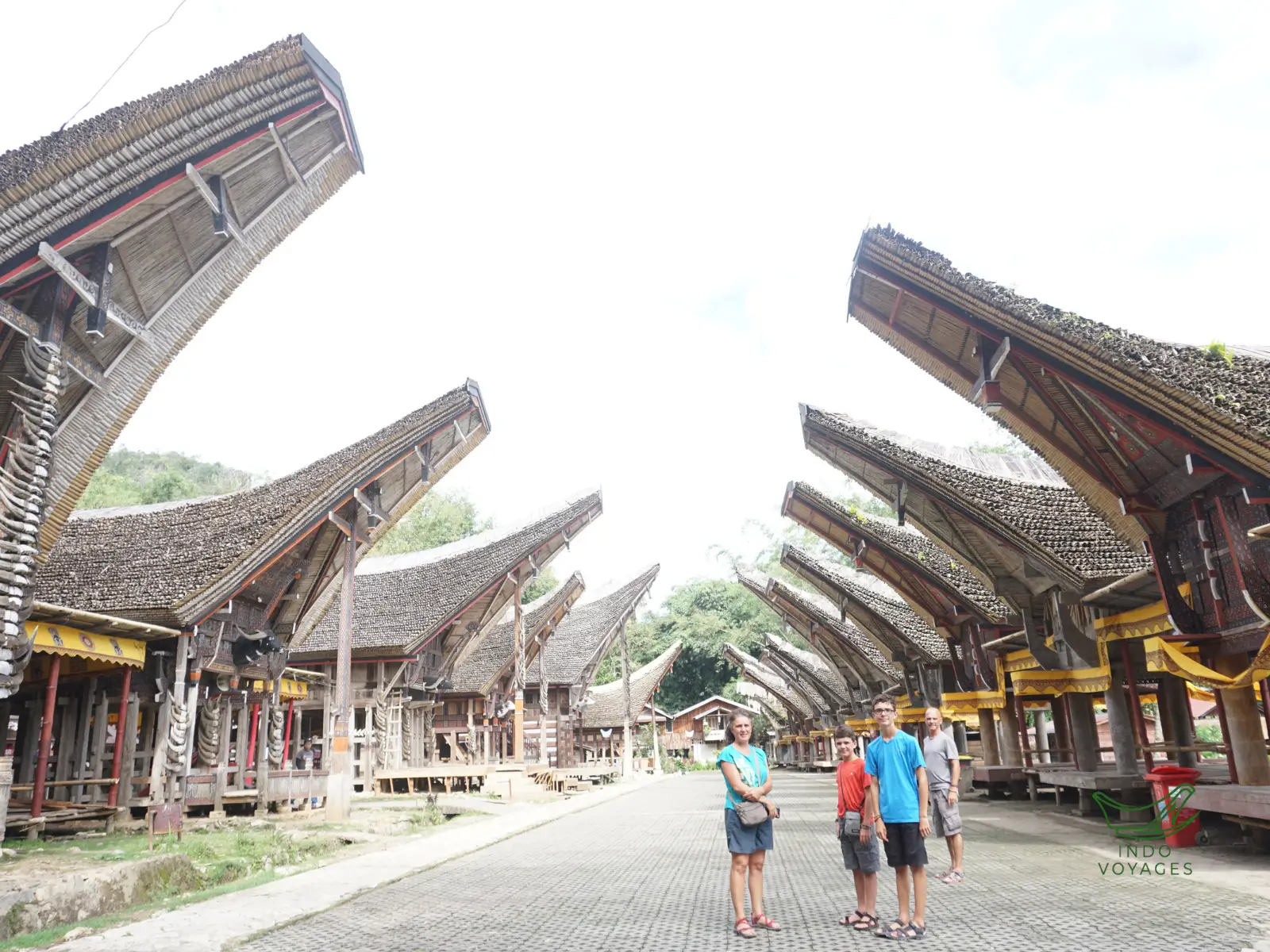
Ke’te Kesu is a traditional village near Rantepao known for its well-preserved Tongkonan houses and rice barns. It also features wood carving workshops and cliff burial sites, making it a complete cultural experience. The village is still inhabited, giving it a strong sense of daily life and tradition. It is often described as a living museum of Toraja culture.
3. Lemo Cliff Burial Site
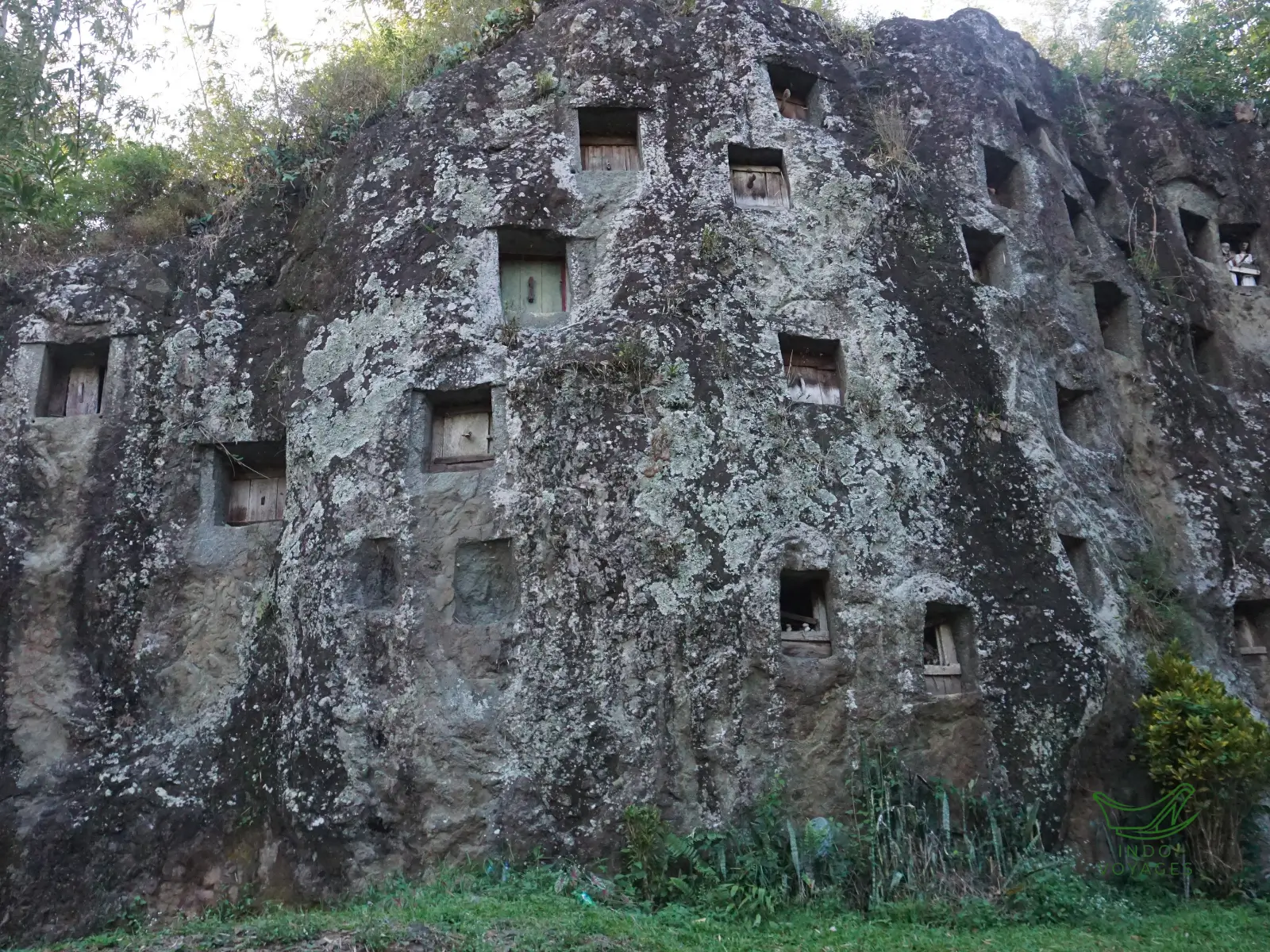
Located in the Sangalla area, Lemo is one of Toraja’s most iconic landmarks. The cliff face is carved with burial chambers and lined with tau-tau statues overlooking the valley. It represents the aristocratic burial tradition of Toraja society. The dramatic setting makes it one of the most photographed sites in the region.
4. Batutumonga Viewpoint
Batutumonga sits on the slopes of Mount Sesean and offers one of the best panoramic views in Toraja. From here, you can see rice terraces, traditional villages, and mist-covered valleys. Sunrise is especially stunning when clouds float below the hills. Many travelers stay overnight to enjoy the cool highland atmosphere.

5. Lolai – Village Above the Clouds
Lolai is a highland viewpoint famous for its “sea of clouds” phenomenon at sunrise. Located at around 1,300 meters above sea level, it attracts photographers and early-morning travelers. The view often feels like standing above the sky itself. Small homestays nearby allow visitors to stay overnight for the full experience.
6. Tampang Allo Burial Site
Tampang Allo is another important cliff burial site located near Lemo. It features ancient coffins placed inside natural caves and rock walls. Compared to Lemo, it feels quieter and more untouched. It is ideal for travelers looking for a more authentic and less crowded experience.
7. Suaya Royal Burial Site
Suaya is the burial complex of Toraja noble families. The site is marked by rows of tau-tau standing in front of cliff graves, symbolizing ancestral guardians. It reflects the deep social structure and heritage of Toraja aristocracy. The atmosphere is calm and rich in historical meaning.
8. Palawa Village
Palawa is one of the most photogenic Tongkonan villages in North Toraja. The traditional houses are neatly aligned with mountain backdrops, creating a classic Toraja landscape. The village is still actively inhabited by locals. It is a favorite stop for photographers and cultural travelers.
9. Bori’ Kalimbuang Megalithic Site

Located in North Toraja, Bori’ Kalimbuang is an ancient megalithic site with standing stones used to mark major funeral ceremonies. Each stone represents a significant ritual and the status of the deceased. The site reflects the deep ancestral traditions of Toraja society. It is one of the most important historical landmarks in the region.
10. Ollon Valley
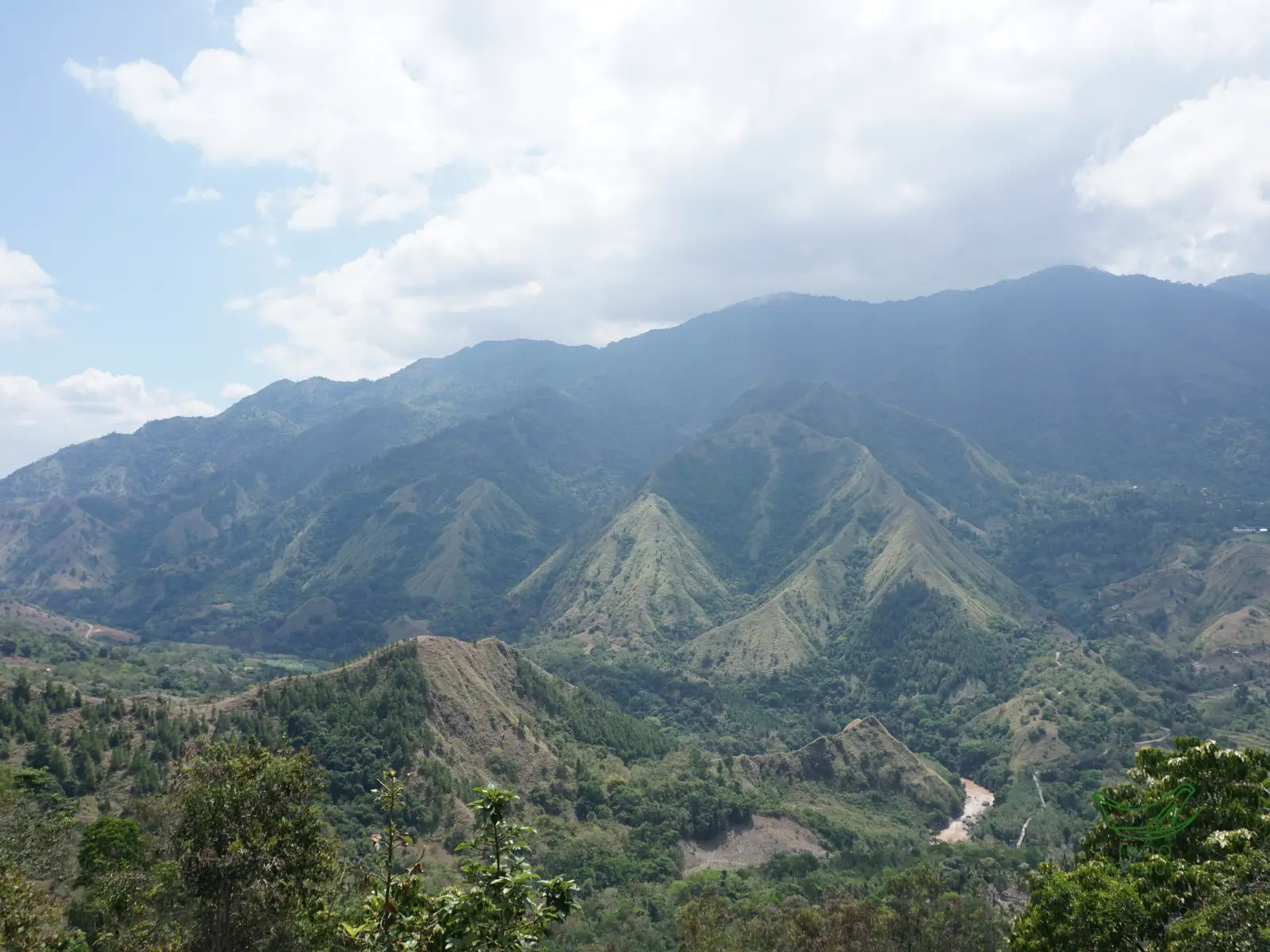
Ollon Valley is a vast green highland landscape surrounded by rolling hills. It is a peaceful area often used for camping, photography, and nature escapes. The location remains relatively undeveloped, offering a raw natural experience. It is ideal for travelers seeking solitude in Toraja.
11. Sa’dan To’barana Weaving Village
Sa’dan To’barana is a traditional weaving village known for its handwoven Toraja textiles. Visitors can observe the entire weaving process from thread to finished cloth. Each pattern carries cultural meaning and social symbolism. It is a great place for a hands-on cultural experience.
12. Pango-Pango Forest
Pango-Pango is a pine forest area overlooking Rantepao, known for its sunset views. The cool mountain air and café-style spots make it a relaxing stop. It is often included in short scenic itineraries. The view of the valley below is especially beautiful in the afternoon light.
13. Mount Sesean

Mount Sesean is the highest peak in Toraja and a popular trekking destination. The trail passes through villages, forests, and farmland. From the summit, visitors enjoy a full panoramic view of the highlands. It is ideal for adventure travelers and nature lovers.
14. Buffalo Market Toraja

Pasar Bolu is the main buffalo market in Rantepao, operating every six days. Buffaloes are highly valued in Toraja rituals and can reach very high prices depending on their color and characteristics. The market plays an important role in both culture and economy. It offers a rare glimpse into local ceremonial life.
15. Kendenan Village

Kendenan is a quiet agricultural village surrounded by rice fields and hills. It offers a slow-travel experience far from busy tourist routes. Most locals are farmers living traditional lifestyles. It is perfect for travelers seeking simplicity and nature.
16. Burake Hills

Burake Hills is a hilltop viewpoint near Makale featuring a large statue overlooking the valley. It is one of the most accessible scenic spots in South Toraja. The view becomes especially dramatic during sunset. It is popular among both local and international visitors.
17. Kambira Baby Graves
Kambira is a historic burial site where infants were traditionally placed in tree trunks. This practice reflects ancient Toraja beliefs about nature and the cycle of life. The site is culturally sensitive and deeply symbolic. It remains one of the most unique traditions in Indonesia.
18. Buntu Pune Village
Buntu Pune is a traditional village where locals still live in Tongkonan houses. Visitors can observe daily rural life and agricultural activities. The atmosphere is authentic and less touristy. It is ideal for cultural immersion.
19. Marante Toraja - Traditional Tongkonan Village and Cliff Burial Site
Marante is one of the traditional cultural areas in Tana Toraja, South Sulawesi, known for its unique combination of Tongkonan houses, rice barns, and limestone cliff burial sites. Located in the North Toraja highlands near Rantepao, the area offers a striking landscape where daily village life and ancestral burial traditions exist side by side.
20. Sarambu Assing Waterfall
Sarambu Assing is a hidden waterfall surrounded by dense forest. It requires a short trip from the main road, but rewards visitors with a peaceful natural setting. The area is quiet and less developed. It is a refreshing stop after cultural sightseeing.
21. Toraja Funeral Ceremony (Rambu Solo’)
Rambu Solo’ is the most important cultural ceremony in Toraja. It includes multi-day rituals, buffalo sacrifices, music, and large family gatherings. It reflects social hierarchy and ancestral beliefs. It is usually held between June and September.
Things to Do in Tana Toraja
- Explore cliff burial sites (Lemo, Londa)
- Visit cultural villages (Kete Kesu, Buntu Pune)
- Watch sunrise at Lolai or Batutumonga
- Visit Pasar Bolu buffalo market
- Trek Mount Sesean
- Explore rural valleys like Ollon
Tana Toraja Travel Guide (Planning Your Trip)
Planning a trip to Tana Toraja requires more than just choosing destinations. The region is spread across highlands, valleys, and remote cultural villages, so a well-structured itinerary is important to fully experience both its cultural and natural highlights.
Most travelers visit Toraja for 3 to 5 days, depending on how deeply they want to explore:
- 3 days: main highlights such as Kete Kesu, Lemo, and Lolai
- 5 days: deeper exploration including Batutumonga, Ollon Valley, and rural villages
- 7+ days: immersive cultural travel across multiple highland regions and ceremonies (if available)
Travel in Toraja is best experienced with local insight, especially when visiting cultural sites, traditional ceremonies, and remote valleys where access and timing can vary.
Traveling in Tana Toraja with Local Insight
Tana Toraja is not a destination that reveals itself fully through surface-level travel. Many of its most meaningful experiences are connected to:
- Local cultural timing (ceremonies are not daily events)
remote geography (valleys and highlands are spread out) - Community-based traditions (access often requires local guidance)
Having a knowledgeable local guide can significantly enhance the experience, especially when understanding cultural context, navigating rural routes, and accessing less-visited areas.
Explore Tana Toraja and Beyond with Indo Voyages
Indo Voyages is a locally rooted travel company based in Indonesia, with strong connections in Sulawesi and extensive experience in cultural and highland exploration across the region.
We specialize in designing meaningful journeys through Tana Toraja and surrounding destinations, combining cultural understanding with responsible travel experiences.
From Bali as your entry point to Indonesia, we can help you travel seamlessly across Sulawesi, including Toraja, Makassar, and other cultural regions in the future as part of your extended journey.
Our approach focuses on:
- Authentic cultural experiences guided by local expertise
- Respectful engagement with Toraja traditions and communities
- Flexible itineraries based on travel season and local events
- Meaningful storytelling, not just sightseeing
Whether you are visiting Toraja for its cliff graves, sunrise viewpoints, traditional villages, or cultural ceremonies, we help you experience the region in a more connected and informed way.
Visitor Information (2026 Travel Update)
Location
Toraja Highlands (comprising Tana Toraja and North Toraja Regencies), South Sulawesi (±300 km north of Makassar. Accessible via an 8-hour drive or a short flight from Makassar to Toraja Airport in Makale).
Entrance Fee
Varies by site. Individual attraction tickets generally range from IDR 10,000 to IDR 50,000 per person. There is no general entry fee for entering the Toraja region.
Recommended visit duration
3-4 days (The minimum time needed to explore the major cultural sites in North Toraja and the natural landscapes of Tana Toraja without rushing).
Local Guide
Highly Recommended. Essential for experiencing Toraja's living culture, navigating complex local customs (Pemali), and securing permission to politely attend traditional funeral ceremonies.
Best Time to Visit
June to August: The peak cultural season when most large-scale Rambu Solo' (funeral ceremonies) and Ma'nene rituals take place.
May to September: The dry season, which offers the safest road conditions and best weather for mountain trekking.
Prices and arrangements may vary depending on local community management.
Local Toraja Tour Guide
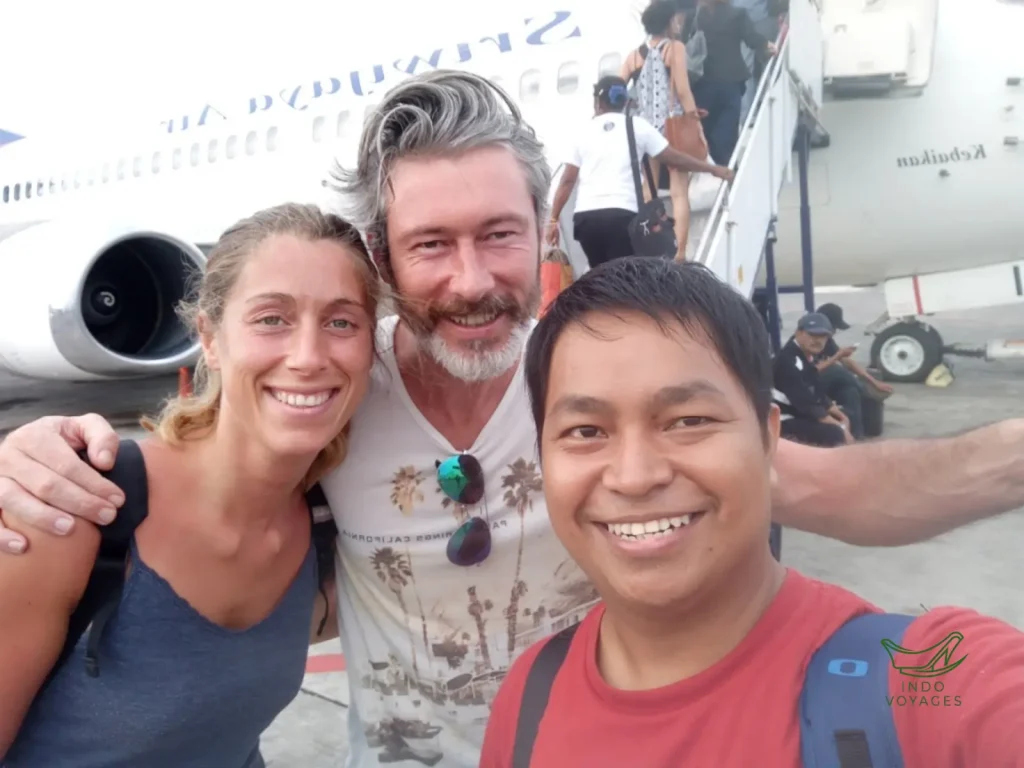
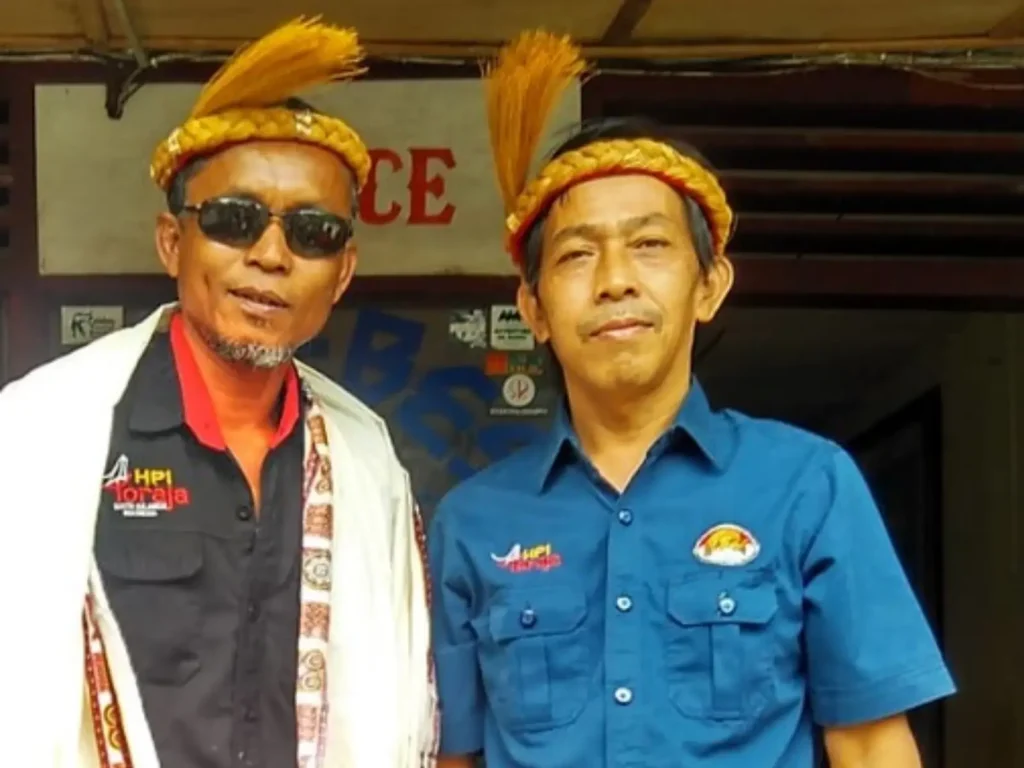
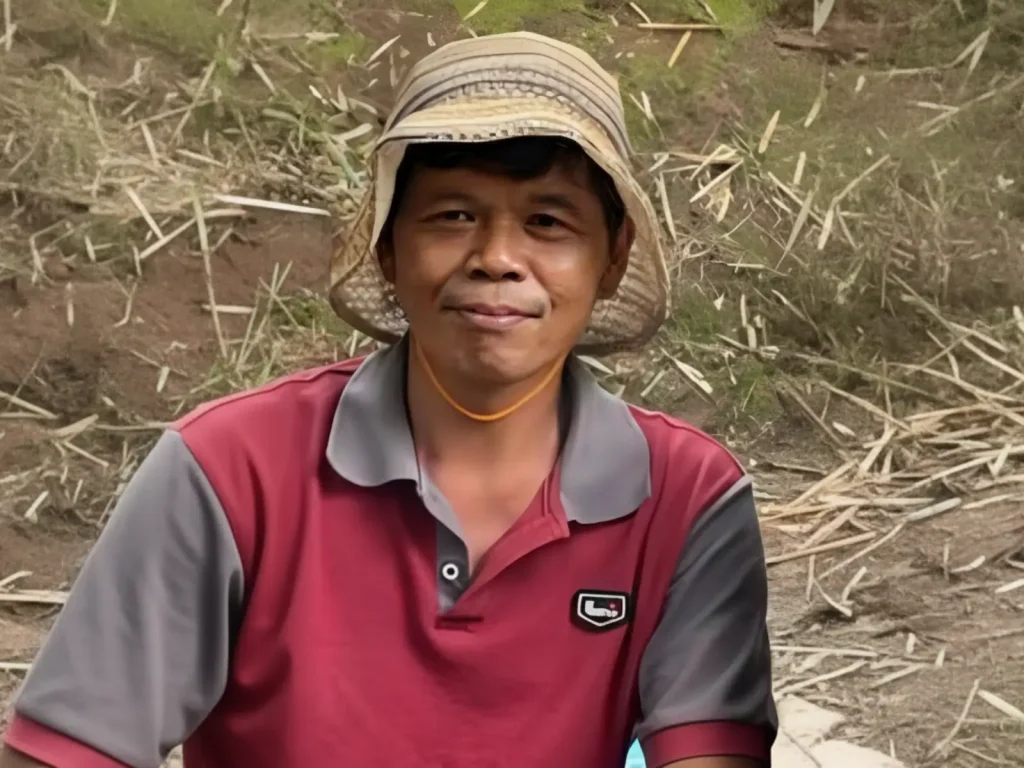
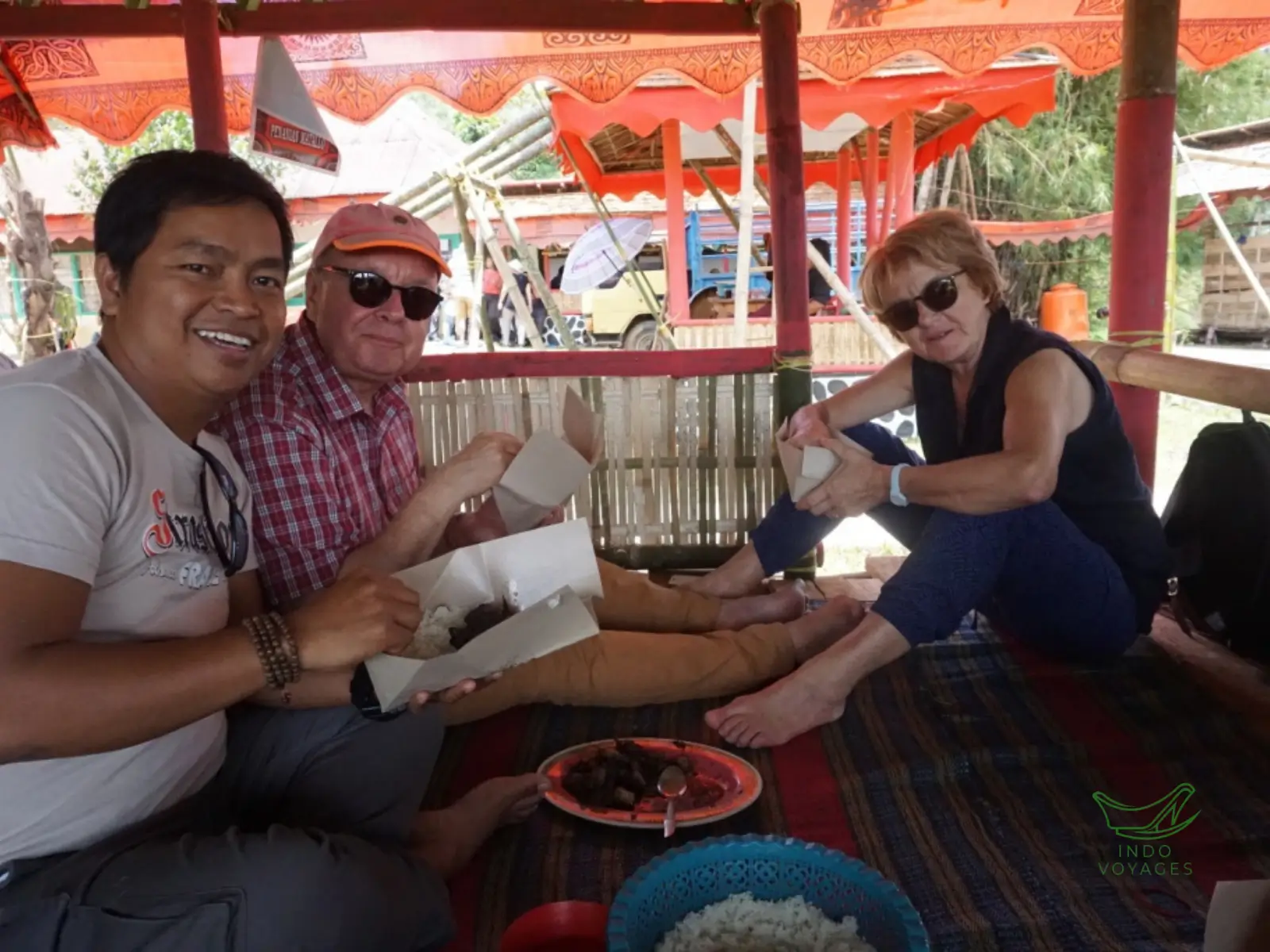
Exploring Toraja becomes far more meaningful when experienced with people who truly understand the culture, traditions, and stories behind each place. Our local guides were born and raised in Toraja and Sulawesi, offering travelers deeper insight into ceremonies, ancestral villages, mountain landscapes, and everyday local life.
Herman Paseru
Asis
Uttu
Frequently Asked Questions About Toraja
Tana Toraja is a mountainous region in the northern highlands of South Sulawesi, Indonesia. Most travelers reach the area through Makassar before continuing by road or domestic flight toward Rantepao, the cultural center of Toraja. The region is known for dramatic landscapes, traditional Tongkonan houses, elaborate funeral traditions, rice terraces, and unique cliffside burial sites.
Toraja is internationally known for its deeply rooted funeral ceremonies, traditional architecture, ancestral burial sites, and strong cultural identity. Many travelers visit to experience ancient traditions that are still actively practiced today, especially ceremonies connected to family, community, and ancestry. The region is also famous for mountain scenery, local coffee, trekking routes, and highland villages.
Yes, especially for travelers interested in culture, history, landscapes, and experiences beyond mainstream tourism in Indonesia. Toraja feels very different from Bali or Java. The atmosphere is slower, more traditional, and deeply connected to local customs. Visitors often combine cultural sites, scenic villages, trekking, and local ceremonies during their trip.
Most travelers spend between 3 to 5 days in Toraja. This gives enough time to explore traditional villages, burial sites, mountain viewpoints, local markets, and possibly attend a ceremony if available during the visit.
Travelers interested in trekking, photography, or deeper cultural experiences often stay longer.
Toraja can be visited year-round, but the dry season between roughly June and September is generally the most comfortable for outdoor activities and mountain scenery.
Many traditional funeral ceremonies also take place between June and December, although ceremonies can happen at different times depending on family schedules and local customs.
Yes. Visitors are generally welcome to attend funeral ceremonies respectfully, especially when accompanied by local guides or invited by local families.
These ceremonies are important cultural and spiritual events rather than tourist performances. Respectful clothing, behavior, and photography etiquette are essential. Visitors are usually expected to follow local guidance during ceremonies.
In Torajan culture, funerals are among the most significant social and spiritual events in life. Ceremonies can involve extended family gatherings, traditional rituals, music, buffalo sacrifices, and community participation. Some ceremonies last several days and may take place long after a person has passed away because families prepare substantial resources for the event.
Tongkonan are the iconic traditional ancestral houses of Toraja, recognized by their curved boat-shaped roofs and colorful carvings. These houses are central to Torajan identity and family heritage.
Many traditional villages still preserve original Tongkonan compounds that have been maintained for generations.
natural attractions include:
- Ke’te Kesu’, a traditional village with Tongkonan houses, rice barns, and ancient burial sites.
- Londa, a cave burial site known for Tau Tau statues and hanging coffins.
- Lemo, famous for cliffside Tau Tau effigies overlooking rice fields.
- Loko’Mata, a massive stone burial complex carved into giant rock formations.
- Batutumonga, known for panoramic mountain views, trekking, and highland scenery.
- Bori Kalimbuang, a ceremonial stone site associated with ancient megalithic traditions.
Ke’te Kesu’ is one of the most well-preserved traditional villages in Toraja. It features ancestral Tongkonan houses, rice granaries, ceremonial grounds, and cliff burial areas surrounded by rice fields. The village is also recognized for preserving traditional customs and architecture.
Londa is an ancient cave burial site where visitors can explore limestone caves containing coffins, bones, and Tau Tau statues representing ancestors. It is one of the most visited cultural sites in Toraja and offers insight into traditional burial practices.
Yes, Toraja is generally considered safe for international and domestic travelers. Local communities are known for their hospitality and openness toward visitors. As with any destination, travelers should still exercise normal precautions, especially on mountain roads or during rainy weather.
A local guide is highly recommended, especially for travelers who want to understand the cultural meaning behind ceremonies, burial sites, and traditional villages.
Many places in Toraja are much more meaningful when explained through local stories, customs, and history rather than simply visiting independently. Guides can also help coordinate ceremonies, transportation, trekking routes, and interactions with local communities.
Most travelers first arrive in Makassar before continuing to Toraja by overnight bus, private car, or domestic flight depending on schedules and availability.
The overland journey from Makassar to Toraja is popular because it passes coastal landscapes, mountain roads, Bugis villages, and scenic highland areas. Some travelers also combine Toraja with other Sulawesi destinations during a longer trip.
Yes. Beyond cultural tourism, Toraja also offers excellent trekking opportunities through rice terraces, mountain villages, forests, and highland valleys. Areas around Batutumonga are especially popular for hiking and panoramic views.
Travelers looking for slower, immersive travel experiences often combine cultural exploration with village trekking and local homestays.
Toraja stands out because traditions remain deeply integrated into daily life rather than existing only for tourism. Ceremonies, architecture, ancestral customs, and community structures continue to shape local identity today.
The combination of dramatic mountain landscapes and living cultural heritage creates an experience that feels very distinct from many other destinations in Indonesia.
Plan Your Tana Toraja Journey
If you are planning to visit Tana Toraja, the best experience comes from combining:
- well-structured itinerary planning
- local cultural understanding
access to both famous landmarks and hidden highland areas
For travelers coming from Bali or other parts of Indonesia, Toraja is often part of a longer journey through Sulawesi’s cultural and natural landscapes.



 EN
 ID
 FR