
Bori Kalimbuang - Ancient Megalithic Stone Site in Toraja
Bori Kalimbuang is a cultural heritage site in Tana Toraja, famous for its ancient stone menhirs and traditional ceremonial ground. Located near Rantepao, the site reflects Torajan funeral traditions, ancestry, and social status
What is Bori Kalimbuang?

Bori Kalimbuang is a traditional Torajan ceremonial site famous for its collection of batu menhir, ancient standing stones erected during important funeral ceremonies for noble families.
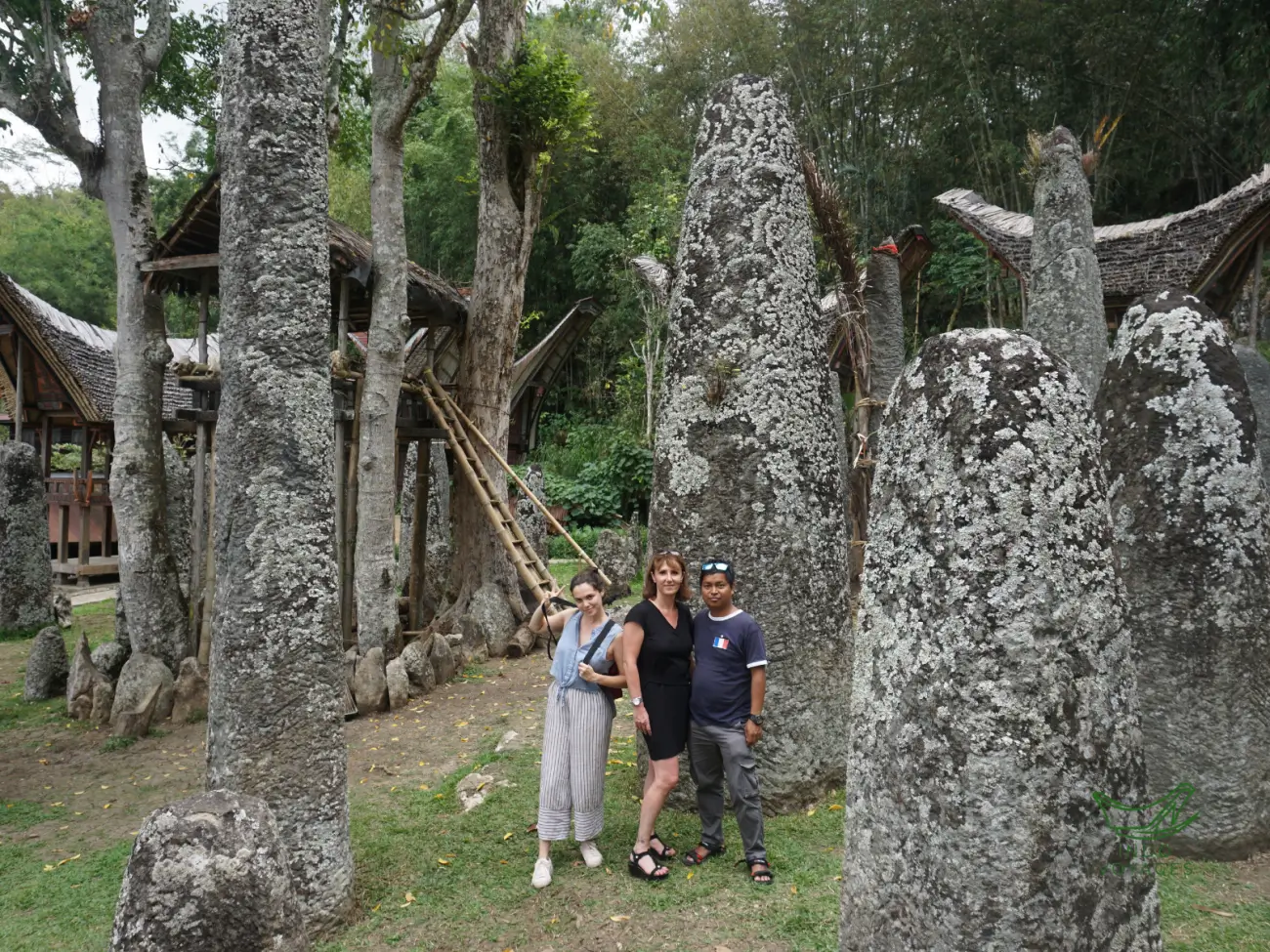
In Torajan culture, these stones are not random monuments. Each menhir represents a person of high social status and serves as a symbol of respect, remembrance, and ancestral honor. Some of the stones are believed to be hundreds of years old and remain part of Toraja’s living cultural heritage today.
The site also includes traditional Tongkonan houses, alang rice barns, ceremonial spaces, and ancient burial areas that reflect the close relationship between ritual life and social identity in Torajan society.
The Meaning Behind the Standing Stones
The most recognizable feature of Bori Kalimbuang is its field of upright megalithic stones known locally as simbuang batu.
These stones are traditionally erected during elaborate funeral ceremonies called Rambu Solo’, especially for aristocratic families. In the past, transporting and raising the stones required large communal effort and symbolized both social prestige and family strength.
For Torajans, the stones represent:
Honor for deceased ancestors
Family status and lineage
Community cooperation
Spiritual connection between generations
The taller and larger the stone, the more significant the ceremony and the higher the social standing of the family involved.

A Living Megalithic Tradition in Toraja

Unlike many ancient megalithic sites around the world that are disconnected from modern communities, Bori Kalimbuang remains culturally relevant to local Torajan society.
The traditions associated with stone ceremonies, funerals, and ancestral remembrance continue to influence cultural life in Toraja today. This makes Bori not only an archaeological site, but also a living cultural landscape where historical traditions still shape identity and ritual practices.
For many visitors, this is what makes Bori Kalimbuang especially fascinating. The site feels both ancient and alive at the same time.
Traditional Funeral Ceremonies at Bori
Bori Kalimbuang is closely associated with Toraja’s famous funeral culture. During major ceremonies, families gather from different regions to honor deceased relatives through rituals, processions, music, buffalo sacrifices, and communal gatherings.
In traditional Torajan belief, funerals are not viewed simply as moments of mourning. They are considered important social and spiritual transitions that guide the deceased toward the afterlife while strengthening family relationships among the living.
Large ceremonies at sites like Bori historically reflected the social importance of noble families and their role within the Torajan community.

Why Visit Bori Kalimbuang?

Bori Kalimbuang is one of the best places in Toraja for travelers interested in culture, anthropology, and history.
Visitors come to Bori to:
See ancient megalithic standing stones
Learn about Torajan funeral traditions
Explore traditional ceremonial grounds
Photograph unique cultural landscapes
Experience a quieter and less crowded heritage site
Compared to some of Toraja’s more tourist-heavy destinations, Bori offers a calmer atmosphere that allows visitors to appreciate the symbolism and historical depth of the site more fully.
The Atmosphere of Bori Kalimbuang
The setting of Bori Kalimbuang reflects the dramatic cultural identity of the Toraja highlands. Stone monuments rise from grassy ceremonial fields surrounded by traditional Tongkonan houses, bamboo trees, and mountain landscapes.
During cloudy mornings or late afternoons, the atmosphere becomes especially striking. The standing stones, weathered wood carvings, and quiet surroundings create a powerful sense of connection to Toraja’s ancestral traditions.
For photographers and cultural travelers, Bori is one of the most visually distinctive sites in North Toraja.

How to Get to Bori Kalimbuang

Bori Kalimbuang is located around 30 minutes from Rantepao in North Toraja and is usually visited as part of a cultural tour through the Toraja highlands.
Nearby attractions often combined with Bori include:
Ke’te Kesu
Palawa Village
Londa
Batutumonga
Lolai To’ Tombi
Lemo
Traveling with a local guide can help visitors better understand the meaning behind the standing stones, funeral symbolism, and social structure that shape Torajan traditions.
Visitor Information (2026 Travel Update)
Location
Sesean District, North Toraja, South Sulawesi (±5–8 km north of Rantepao)
Entrance Fee
Around IDR 15,000 for domestic tourists and IDR 50,000 for international tourists
Recommended visit duration
1–2 hours
Local Guide
Recommended for rich cultural explanations regarding the history of the 102 menhirs, the Rambu Solo funeral ceremonies, and the traditional tree burial site (Passiliran)
Best Time to Visit
Morning or late afternoon for the best lighting, cooler temperatures, and a more mystical ambiance among the stones
Prices and arrangements may vary depending on local community management.
Nearby Places in Toraja
Bori’ Kalimbuang is commonly visited together with:

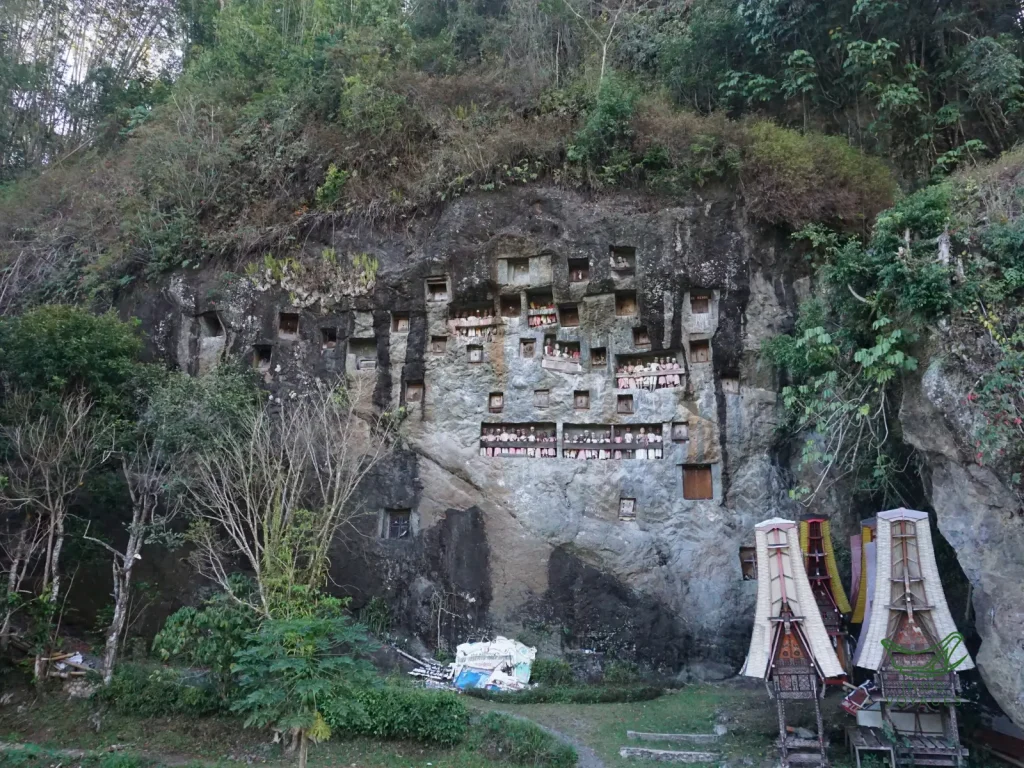

These sites are often combined into a half-day or full-day cultural journey through Toraja.
Explore Tana Toraja With a Local Guide

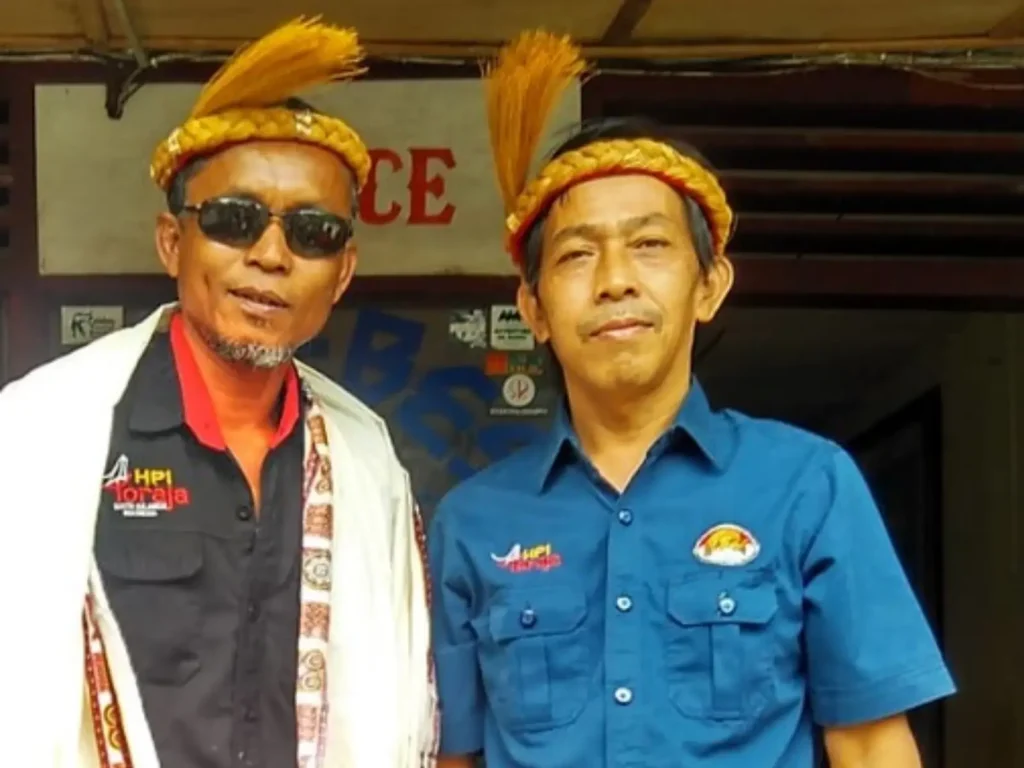
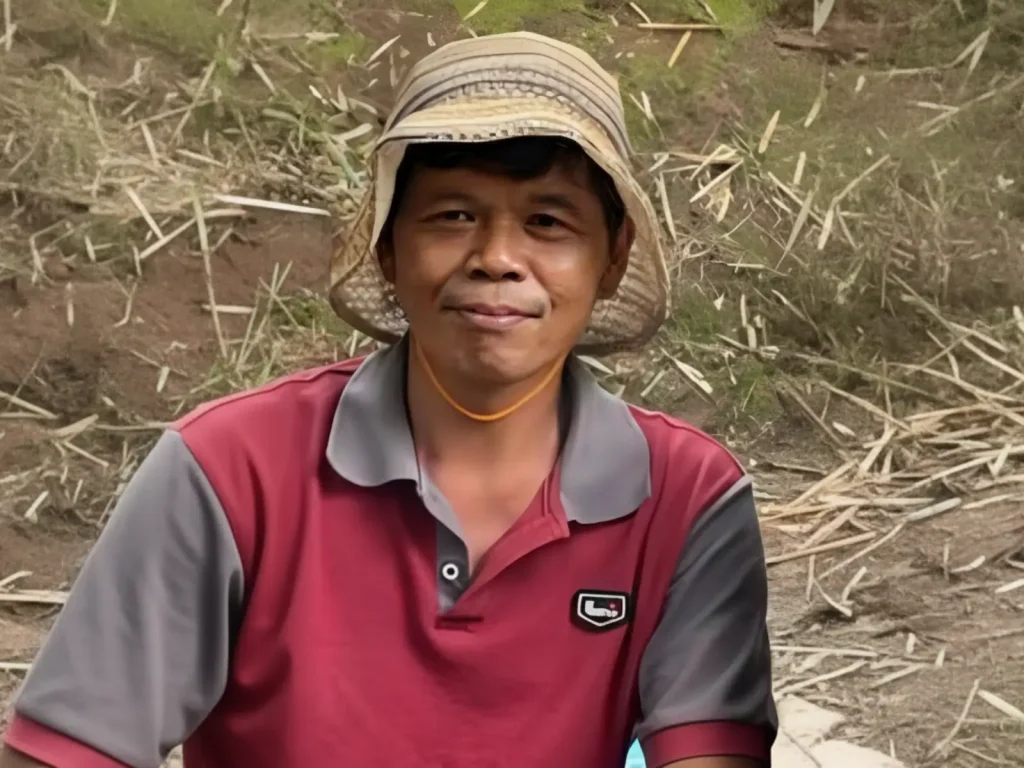
Traveling with a local guide helps you understand the traditions, villages, landscapes, and everyday life that shape Tana Toraja. Indo Voyages offers private guiding for travelers who want a more personal and culturally informed journey.
Frequently Asked Questions About Bori Kalimbuang Toraja
Bori Kalimbuang Megalithic Site is an ancient ceremonial site in Tana Toraja known for its standing stone formations (menhirs). These stones were traditionally erected to honor important individuals during large Torajan funeral ceremonies and social rituals.
Bori Kalimbuang reflects the deep spiritual and social structure of Toraja society. The megalithic stones represent respect for ancestors, social status, and communal unity. It is one of the clearest places to understand how death ceremonies and ancestral traditions shape Torajan cultural identity.
Visitors can see rows of ancient menhirs of different sizes, each representing past ceremonial events. The site is set in a wide open landscape surrounded by rice fields and hills, creating a peaceful yet powerful cultural atmosphere.
A local guide is highly recommended. While the site is accessible, a guide helps explain the meaning of the stone arrangements, the history behind the ceremonies, and how Bori Kalimbuang connects to wider Torajan traditions.
Most travelers reach Bori Kalimbuang by driving from Rantepao, the main town in Tana Toraja. The journey takes around 30–45 minutes depending on road conditions, and is often combined with visits to nearby cultural landmarks.
Explore the Cultural Heritage of Toraja with Local Insight
Bori Kalimbuang is more than an ancient stone site. It is a reflection of how Torajan communities preserve memory, ancestry, and identity across generations.
Exploring Bori with local insight allows travelers to understand the deeper meaning behind Toraja’s ceremonial traditions and megalithic heritage. Through meaningful cultural experiences, visitors can discover why the highlands of Sulawesi remain one of Indonesia’s most fascinating cultural destinations.


 EN
 ID
 FR