
Ke’te Kesu - Traditional Village & Cultural Heritage in Toraja
Ke’te Kesu is one of the oldest traditional villages in Toraja, Sulawesi, Indonesia. It is famous for its Tongkonan houses, traditional wood carving culture, and ancient cliff burial site. A must-visit destination to experience authentic Tana Toraja heritage and highland culture.
What is Ke’te Kesu in Tana Toraja and Why is It So Important?
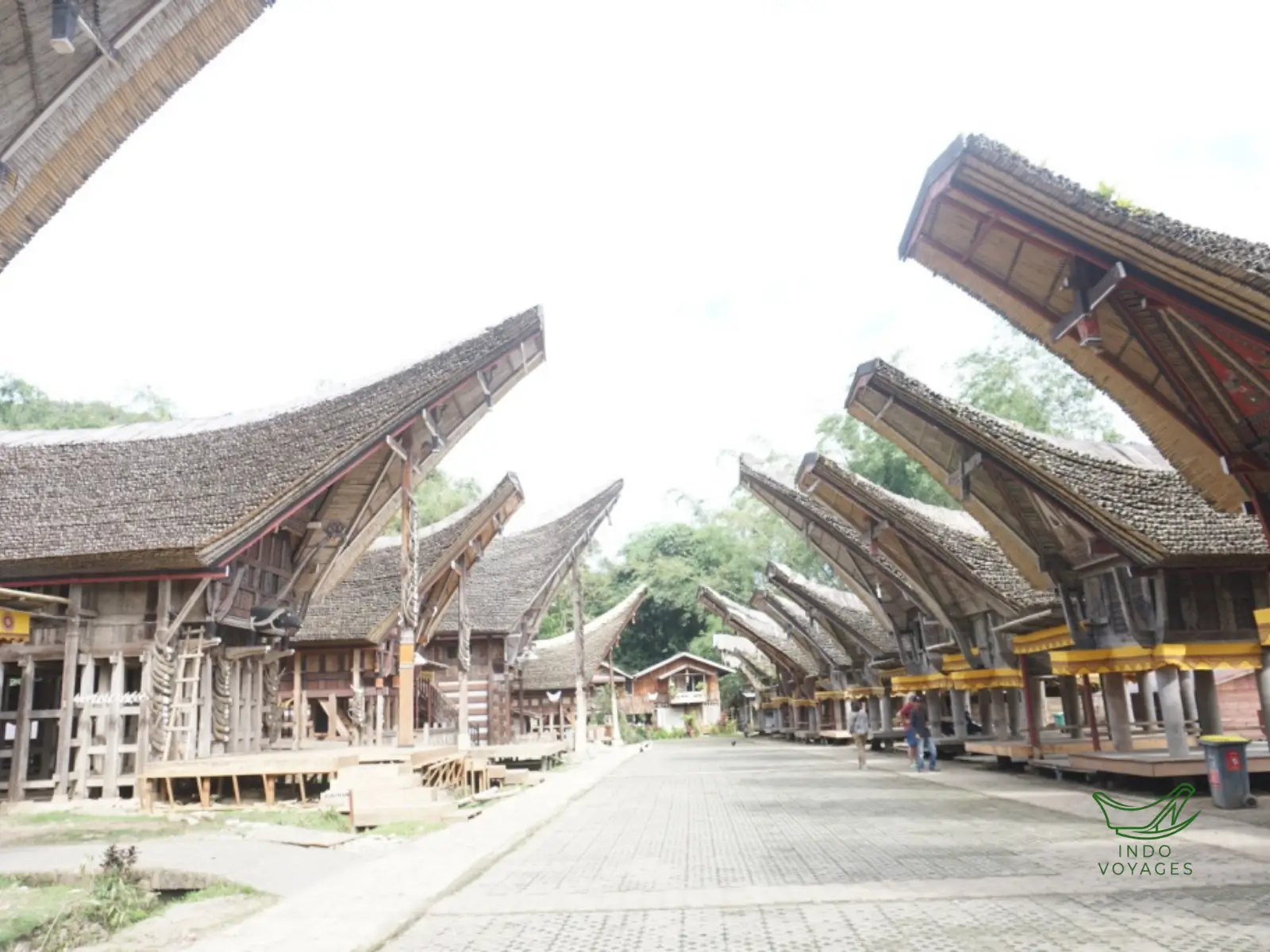
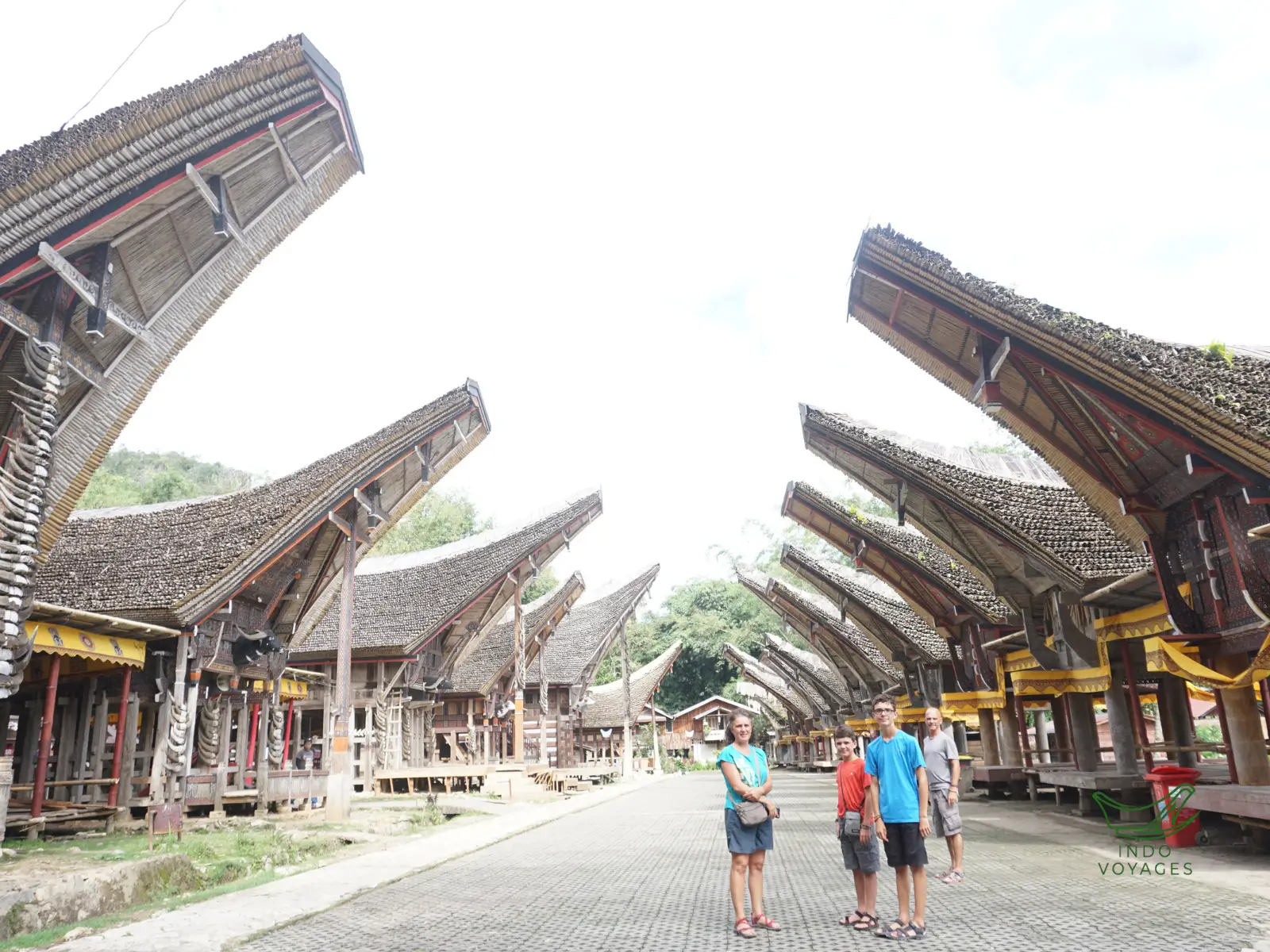
Ke’te Kesu is one of the most well-preserved traditional villages in Tana Toraja, South Sulawesi, Indonesia. Located in the Kesu area, just a short drive from the main Toraja highland region, it represents a living example of ancestral Torajan culture that is still actively maintained today.
The village is known for its iconic rows of Tongkonan traditional houses, rice barns (Alang), long-standing wood carving traditions, and a nearby cliff burial site that has been used for centuries.
Ke’te Kesu is also included on the UNESCO Tentative List, highlighting its cultural importance as one of the most complete representations of Toraja heritage in Indonesia.
Today, it is often visited as part of cultural journeys guided by local experts such as Indo Voyages, a local tour operator based in Toraja and Sulawesi specializing in cultural and heritage travel experiences.
Main Highlights of Ke’te Kesu Toraja
1. Tongkonan Houses and the Living Culture of Ke’te Kesu
The most striking feature of Ke’te Kesu is its row of Tongkonan traditional houses and rice barns (Alang), arranged in alignment with Torajan cosmology.
These structures are built using traditional joinery techniques without nails, relying on carved wood and bamboo bindings. The curved roofs resemble buffalo horns and symbolize ancestral connection and social identity.
Each building reflects not only architectural heritage but also family lineage, status, and spiritual values within Torajan society.
2. Traditional Wood Carving Art in Ke’te Kesu (Passura’)
Ke’te Kesu is also one of the most important centers of traditional Torajan wood carving, known locally as Passura’.
The carvings use four symbolic colors:
- Black – death and the spiritual world
- Red – life and human vitality
- Yellow – divine blessing
- White – purity and balance
Visitors often have the opportunity to observe local artisans working directly in the village, making it one of the best places for cultural interaction in Toraja.
3. Cliff Burial Site and Ancient Erong Coffins in Ke’te Kesu
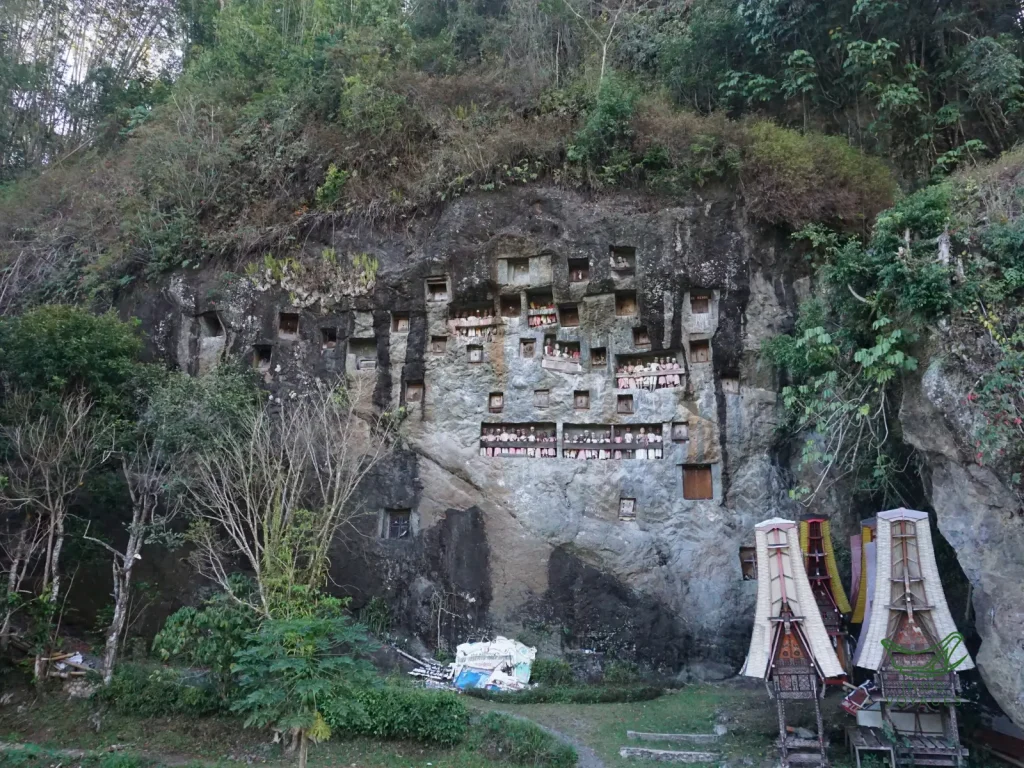
Behind the village lies a limestone cliff burial site that has been used for many generations.
Here, wooden coffins known as erong are placed inside rock chambers and along cliffside ledges. Some of these burial structures are believed to be several centuries old and remain an important part of Torajan ancestral tradition.
The site also features tau-tau wooden effigies representing ancestors, preserved in designated areas due to their cultural and historical significance.
Unlike cave burial sites such as Londa, Ke’te Kesu combines living village life with ancestral burial traditions in a single cultural landscape.
Why Ke’te Kesu is a Must-Visit Cultural Destination in Toraja
Ke’te Kesu offers a rare opportunity to experience three dimensions of Torajan life in one place:
Daily life inside traditional Tongkonan houses
Agricultural heritage through rice barns and village layout
Ancestral traditions through cliff burial sites
This combination makes Ke’te Kesu one of the most complete and culturally rich destinations in South Sulawesi.
Cultural Etiquette and Responsible Travel in Ke’te Kesu
Ke’te Kesu is both a living village and a sacred cultural heritage site. Visitors are expected to respect local customs at all times.
Do not touch or climb burial structures
Ask permission before entering private Tongkonan houses
Avoid disrespectful photography near sacred areas
Follow local guide instructions
Support local artisans by purchasing directly when possible
Entrance contributions help maintain traditional structures and support local cultural preservation efforts.
How to Get to Ke'te Kesu
Ke’te Kesu is located in North Toraja, Sulawesi, Indonesia, and is one of the most accessible cultural sites in the region. It is only a short drive from the main Toraja highland area, making it easy to include in most travel itineraries.
Most visitors reach Ke’te Kesu by private car, scooter, or with a local driver as part of a cultural day tour. The road conditions are generally good, with scenic views of rice fields, traditional villages, and limestone hills along the way.
Ke’te Kesu is often combined with nearby attractions such as Londa Burial Caves and Lemo Cliff Burial Site, creating a half-day or full-day cultural route through the Toraja highlands.
Explore Ke’te Kesu with a Local Toraja Guide
Ke’te Kesu is more than just a sightseeing destination, it’s a living cultural heritage site best understood through the stories, symbolism, and traditions behind it. Learning about its traditional architecture, ancestral rituals, and Torajan way of life adds a deeper meaning to every visit.
Exploring Ke’te Kesu with a local guide allows you to fully immerse yourself in the cultural journey while discovering surrounding heritage sites through a more meaningful and responsible travel experience.
Visitor Information (2026 Travel Update)
Location
Panta'nakan Lolo, Kesu' District, North Toraja, South Sulawesi (±4 km south of Rantepao or ±25 km north of Makale)
Entrance Fee
Domestic Visitors: IDR 15,000–25,000 per person
International Visitors: IDR 30,000–50,000 per person
Recommended visit duration
1.5–2.5 hours (To fully explore the ceremonial field (Rante), the alignment of 6 Tongkonan and 12 Alang, the souvenir center, and the cliff-hanging graves (Erong))
Local Guide
Highly Recommended. Ke'te Kesu' is a living museum with strict cultural taboos (Pemali). A certified guide is crucial to help you understand the social hierarchy, the 700-year-old history of the site, and to ensure you do not inadvertently violate custom laws (e.g., touching old bones or step into forbidden ritual areas).
Best Time to Visit
Morning (08:00 - 10:00): For the best lighting on the Tongkonan facades (which face north) and to avoid the massive crowds.
June – August (Cultural Peak Season): If you wish to witness the Rambu Solo' (funeral ceremonies) held around the Kesu' area, though it will be highly crowded.
(Price varies slightly between low and peak season; excludes vehicle parking and flashlight rentals for the cave)
Nearby Places in Toraja
Ke’te Kesu is commonly visited together with:


These sites are often combined into a half-day or full-day cultural journey through Toraja.
Explore Toraja With Indo Voyages

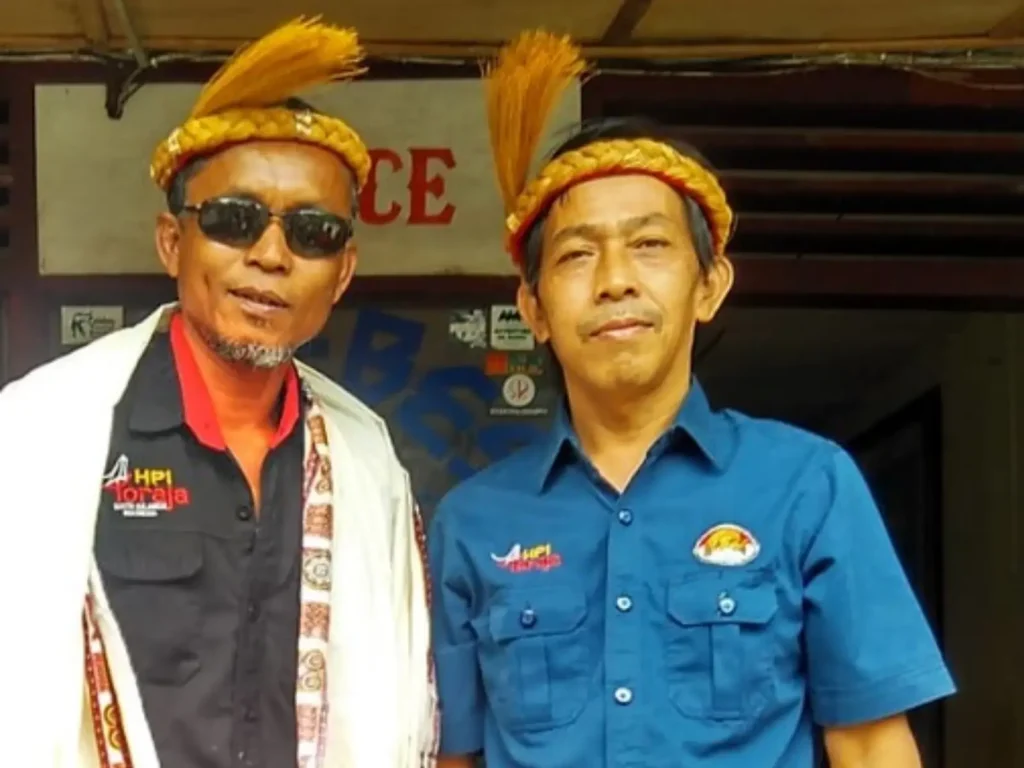
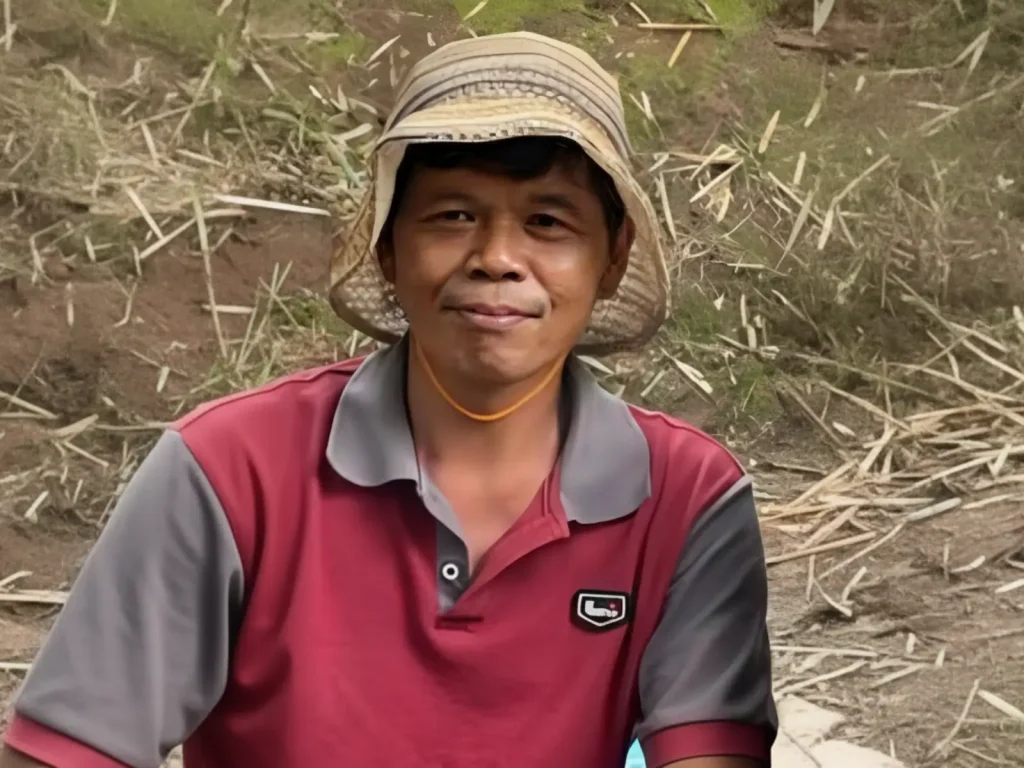
Indo Voyages is a local tour operator specializing in private journeys across Sulawesi, with deep roots in Toraja. Explore the region with experienced local guides who understand its culture, traditions, villages, and landscapes.
Frequently Asked Questions About Ke'te Kesu Toraja
Ke’te Kesu is located near Rantepao in North Toraja, South Sulawesi, Indonesia. It is one of the most well-known traditional Toraja villages and cultural heritage sites in the Toraja Highlands.
Ke’te Kesu is famous for its traditional tongkonan houses, ancient rice barns, hanging graves, and carved wooden artworks. The village is widely recognized as one of the best places to experience Torajan architecture, ancestral traditions, and cultural heritage.
Visitors can explore rows of traditional tongkonan houses, ceremonial rice barns, stone graves, hanging burial sites, and local wood carving workshops. The area also offers insight into Torajan craftsmanship, family lineage, and traditional village life.
Ke’te Kesu is considered an important cultural heritage village because it preserves traditional Torajan architecture and ancestral customs that have been maintained for generations. Many of the houses and carvings carry symbolic meanings connected to family identity, social status, and spiritual beliefs.
Yes. Ke’te Kesu is not only a cultural attraction but also a living village where local families continue to maintain traditions, ceremonies, and daily community life while welcoming visitors respectfully.
The tongkonan houses in Ke’te Kesu are known for their boat-shaped roofs, intricate wood carvings, and symbolic decorations. Each traditional house represents family heritage and plays an important role in Torajan social and ceremonial life.
Ke’te Kesu can be visited throughout the year. Morning and late afternoon are often the best times to explore the village comfortably and enjoy softer lighting for photography. The dry season generally offers clearer weather conditions.
Yes. Exploring Ke’te Kesu with a local guide can provide deeper understanding about Torajan architecture, burial traditions, symbolism, and the stories behind the village’s ancestral heritage.
Explore Ke'te Kesu with Local Insight
Ke’te Kesu offers more than traditional houses and cultural landmarks. It is a place where Torajan identity, craftsmanship, ancestry, and everyday life continue to be preserved within the highlands of South Sulawesi.
As a Sulawesi based local tour operator, Indo Voyages offers cultural journeys across Toraja that help travelers experience local traditions, village heritage, and meaningful stories beyond the surface.

 EN
 ID
 FR