
Kambira Baby Grave, Toraja – Ancient Tree Burial Tradition in Sulawesi
Kambira Baby Grave Site is a unique cultural heritage site in Tana Toraja, South Sulawesi, known for its ancient tree burial tradition for infants. Located in Sangalla, it reveals a rare and symbolic practice where life and nature were deeply connected in traditional beliefs.
What is Kambira Baby Grave?
Kambira Baby Grave Site is a traditional burial site associated with the Torajan infant burial custom known as passiliran (tree burial).
In this tradition, infants who passed away before teething were historically buried inside hollowed tree trunks. Over time, the tree would naturally grow and heal, symbolizing the return of the child’s spirit to nature.
The site today contains remaining trees that still hold cultural memory of this practice, making it one of the most emotionally and spiritually significant heritage sites in Toraja.
The Meaning Behind the Tree Burial Tradition
In Torajan belief systems, death is not an end but a transition. The tree burial tradition reflects the idea that infants, considered pure and still closely connected to nature, should return to the earth in the most natural way possible.
Key meanings of the tradition include:
- Returning life to nature in its purest form
- Preserving spiritual harmony between humans and the environment
- Symbolizing growth and continuation through living trees
- Expressing deep respect for early life and ancestral belief
Unlike later Torajan burial practices that involve elaborate ceremonies, this tradition is simpler but highly symbolic.
Cultural and Historical Context
The tree burial tradition in Kambira is part of older layers of Torajan belief systems that predate modern religious influences in the region.
Historically, Toraja culture developed a complex understanding of death rituals, ranging from:
- Infant tree burials in Kambira
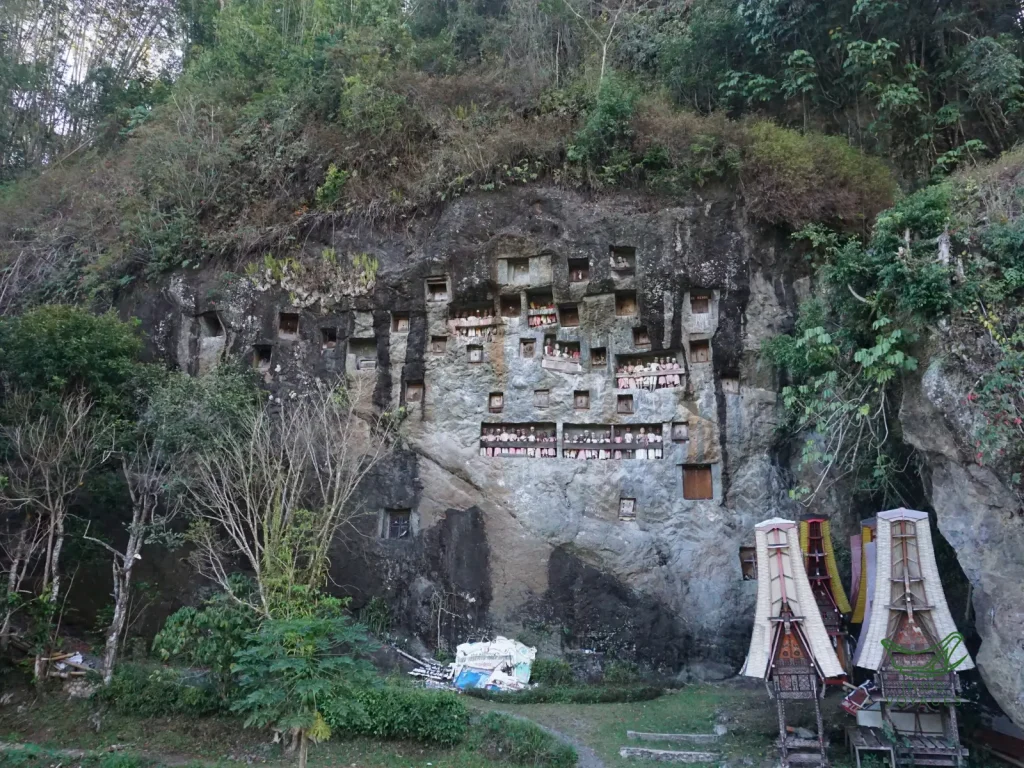
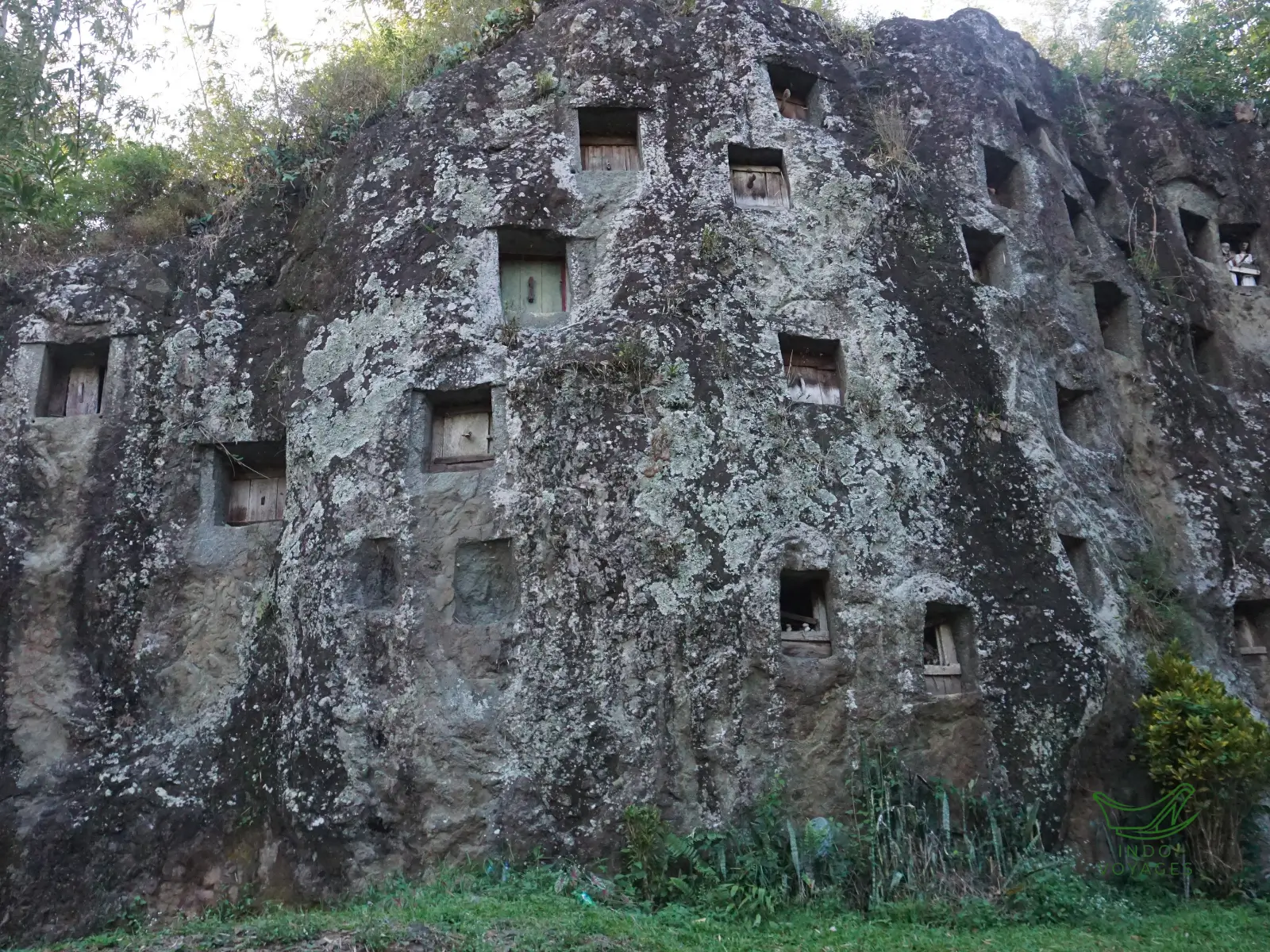
- Cliff burials in sites like Lemo and Londa
- Stone megalith ceremonies such as Bori
- Kalimbuang
Elaborate funeral rituals (Rambu Solo’)
Kambira represents one of the earliest known forms of this cultural evolution, showing how deeply spirituality is connected to nature in Torajan society.
What Visitors Can See at Kambira Today
Today, Kambira is a quiet cultural site rather than an active burial ground. Visitors may observe:
- Ancient trees associated with traditional burial practices
- Hollow tree trunks with historical significance
- A peaceful rural environment surrounded by Torajan countryside
- Small local markers or explanations from guides
The site is not large or commercialized, which makes respectful behavior especially important when visiting.
Atmosphere of the Site
Kambira has a calm and reflective atmosphere. Unlike more dramatic Toraja attractions such as cliff graves or ceremonial sites, Kambira feels quiet, shaded, and natural.
The surrounding environment includes:
- Forested areas and village landscapes
- Soft mountain air typical of the Toraja highlands
- A sense of historical depth and cultural memory
Many visitors describe the experience as contemplative rather than visual-heavy, focusing more on meaning than spectacle.
Cultural Sensitivity and Visitor Etiquette
Because Kambira is a burial-related site, respectful behavior is essential.
Visitors are encouraged to:
- Avoid touching or disturbing burial trees
- Speak quietly and respectfully
- Follow local guide instructions
- Avoid climbing or damaging any structures
- Be mindful when taking photographs
Understanding the cultural context is more important than photography at this location.
Why Visit Kambira Baby Grave Site?
Kambira offers a rare opportunity to understand the deeper spiritual philosophy of Toraja.
It is especially meaningful for:
- Cultural and anthropology-focused travelers
- Visitors interested in unique burial traditions
- Travelers exploring Toraja’s historical identity
- Those seeking quieter, reflective cultural sites
Unlike more visually dramatic attractions, Kambira provides emotional and cultural depth.
How to Get to Kambira
Kambira Area is located in the Sangalla region of Tana Toraja, and can be reached by car from Rantepao or Makale.
Typical access:
- Around 45–60 minutes from Rantepao
- Accessible via local roads through villages and hills
- Usually visited as part of a guided Toraja cultural tour
Because signage may be limited, traveling with a local guide is highly recommended.
Visitor Information (2026 Travel Update)
Location
Sangalla Sub-district, Tana Toraja, South Sulawesi (±9 km from Makale or ±20 km from Rantepao)
Entrance Fee
Around IDR 20,000–30,000 per person
Recommended visit duration
30-45 minutes (The site itself is relatively small, centered around the sacred Tarra tree where the infants were laid to rest)
Local Guide
Highly recommended. The site requires deep cultural context to understand the beautiful, gentle philosophy behind burying teething-less babies inside tree trunks (returning them to the "mother's womb") rather than standard burial practices.
Best Time to Visit
Morning or early afternoon. The site is nested in a lush, shady bamboo forest, so visiting before it gets too dark ensures good visibility and a peaceful, contemplative experience.
Prices and arrangements may vary depending on local community management.
Nearby Places in Toraja
Londa is commonly visited together with:


These sites are often combined into a half-day or full-day cultural journey through Toraja.
Experience Toraja’s Deep Cultural Heritage

Kambira Baby Grave Site reveals one of the most symbolic and delicate aspects of Torajan culture, how life, death, and nature are interconnected through belief and tradition.
Exploring this site with local insight helps travelers understand that Toraja is not only about dramatic landscapes and architecture, but also about deeply rooted spiritual philosophies that continue to shape the identity of its people in South Sulawesi.
Experience Tana Toraja Beyond the Main Sights
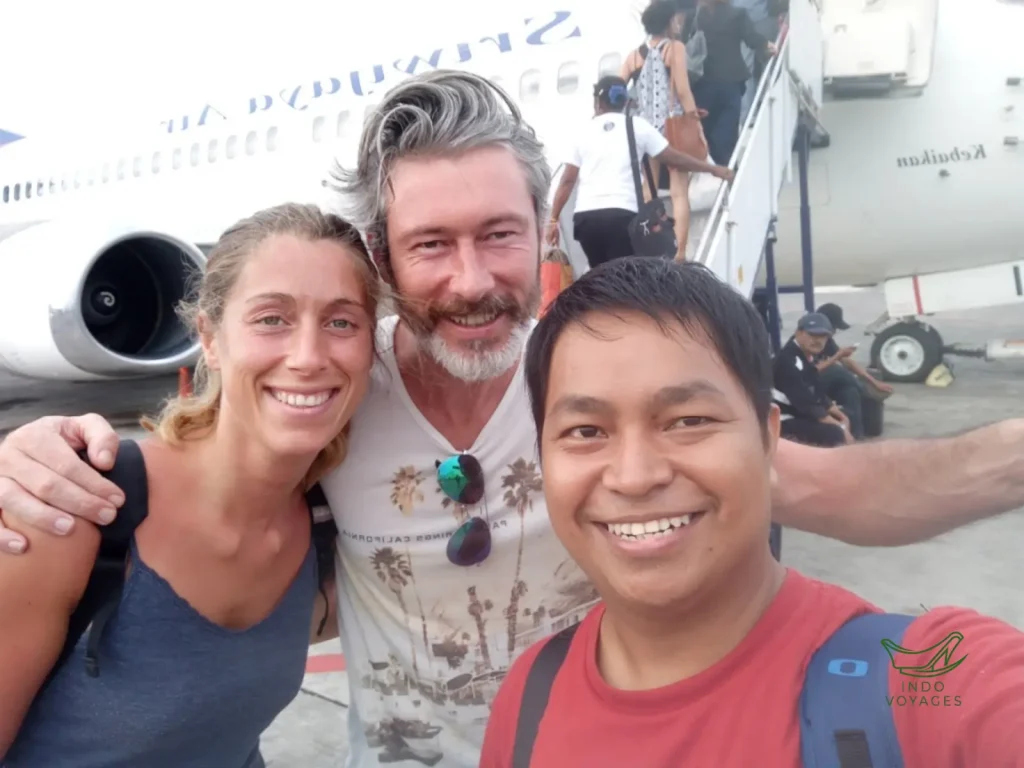
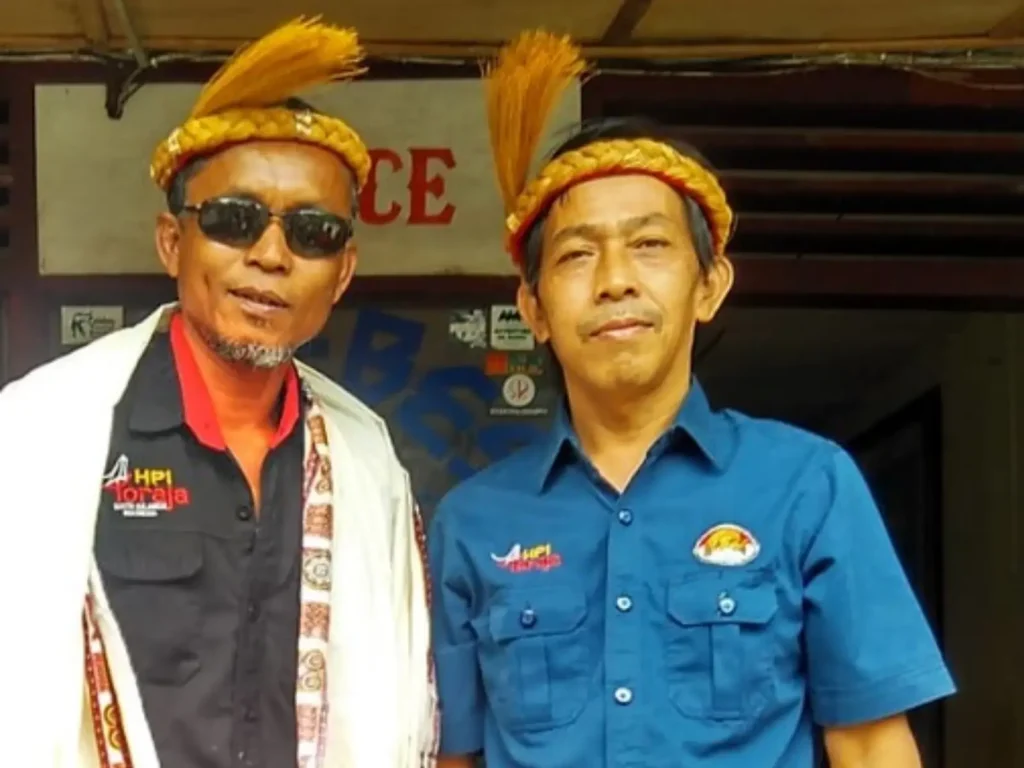
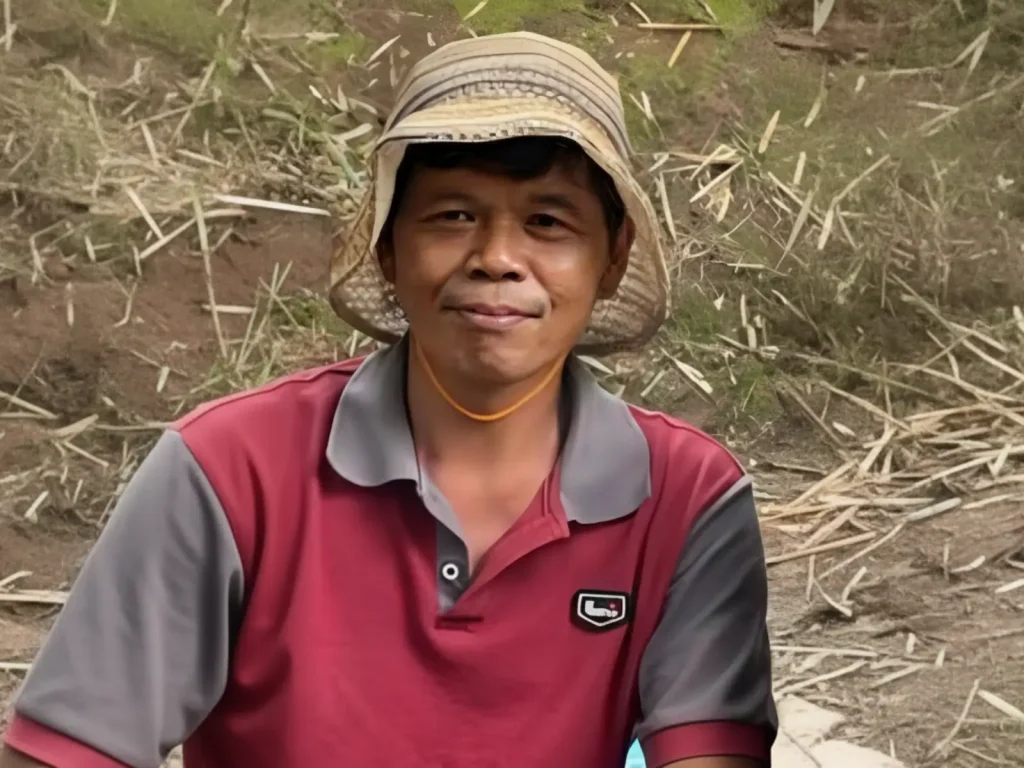
The most memorable parts of Toraja are not always found on a standard sightseeing route. A local guide can help you discover villages, landscapes, traditions, and local experiences that fit naturally into your journey.
Frequently Asked Questions About Kambira Baby Graves Toraja
Kambira Baby Graves is located in Kambira village, Sangalla’ area, Tana Toraja, South Sulawesi, Indonesia. It is one of the traditional burial sites found in the Toraja Highlands, known for its unique cliffside and tree burial traditions.
Kambira is known for its baby burial tree tradition, where infants who passed away in the past were laid to rest inside large trees. The belief was that the tree would “absorb” and nurture the child, symbolizing a return to nature.
In the traditional practice, a cavity was carved into a living tree trunk, and the baby was placed inside. Over time, the tree would naturally close around the burial site. This reflects the Torajan philosophy of life, death, and harmony with nature.
No. The baby tree burial tradition is no longer commonly practiced. Today, it remains an important cultural and historical site that preserves the memory of ancient Torajan burial customs and beliefs.
Kambira reflects the deep spiritual and symbolic relationship between humans and nature in Torajan tradition. It is part of a broader cultural landscape where burial practices are closely tied to ancestry, respect, and the journey of the soul.
Yes, visitors can see the historical burial trees at Kambira. However, it is important to approach the site with respect, as it is considered a sacred and sensitive cultural heritage area by local communities.
Visitors are expected to behave respectfully, avoid loud behavior, and follow local guidance. Since it is a cultural and spiritual site, understanding its meaning is more important than taking photos alone.
The site can be visited year-round. Morning or late afternoon is recommended for more comfortable weather conditions and softer light for exploration.
Explore Kambira with Local Insight
Kambira Baby Graves offers a rare window into the ancient belief systems of Toraja, where nature and spirituality are deeply connected through traditional burial practices.
As a Sulawesi local tour operator, Indo Voyages provides cultural journeys across Toraja that help travelers understand these heritage sites with deeper context, respect, and meaningful storytelling.

 EN
 ID
 FR