
Marante Toraja - Traditional Tongkonan Village and Cliff Burial Site
Marante Toraja is a traditional cultural site in North Toraja, known for Tongkonan houses and cliff burial sites. Located near Rantepao, it showcases daily village life alongside ancestral heritage in a dramatic highland landscape.
What is Marante Toraja?
Marante Village is a traditional Torajan settlement that is also known for its nearby limestone cliff burial area.
The site is characterized by:
- Traditional Tongkonan houses
- Rows of rice barns (alang)
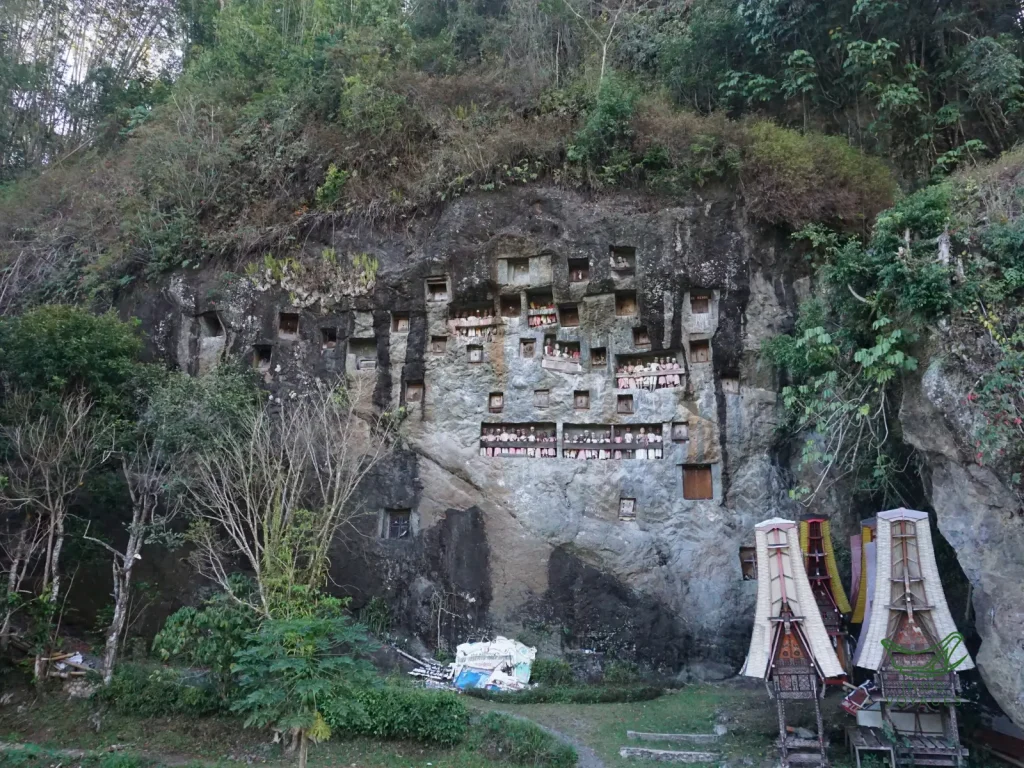
- Limestone cliffs with burial niches
- Wooden coffins and ancestral grave structures
- A rural highland environment surrounded by vegetation
Marante is often associated with both living culture and ancestral heritage, making it an important stop for cultural exploration in Toraja.
Limestone Cliff Burial Site in Marante
One of the most distinctive features of Marante is its limestone cliff burial complex.
In Torajan culture, cliffs are used as burial spaces because they represent:
- A higher place closer to ancestors
- A natural and long-lasting resting structure
- A visible connection between the living and the dead
Inside the limestone cliffs, families place:
- Wooden coffins
- Burial chambers carved into rock
- Occasional ancestral markers depending on family tradition
These burial sites are not hidden or isolated, but remain part of the visible cultural landscape.
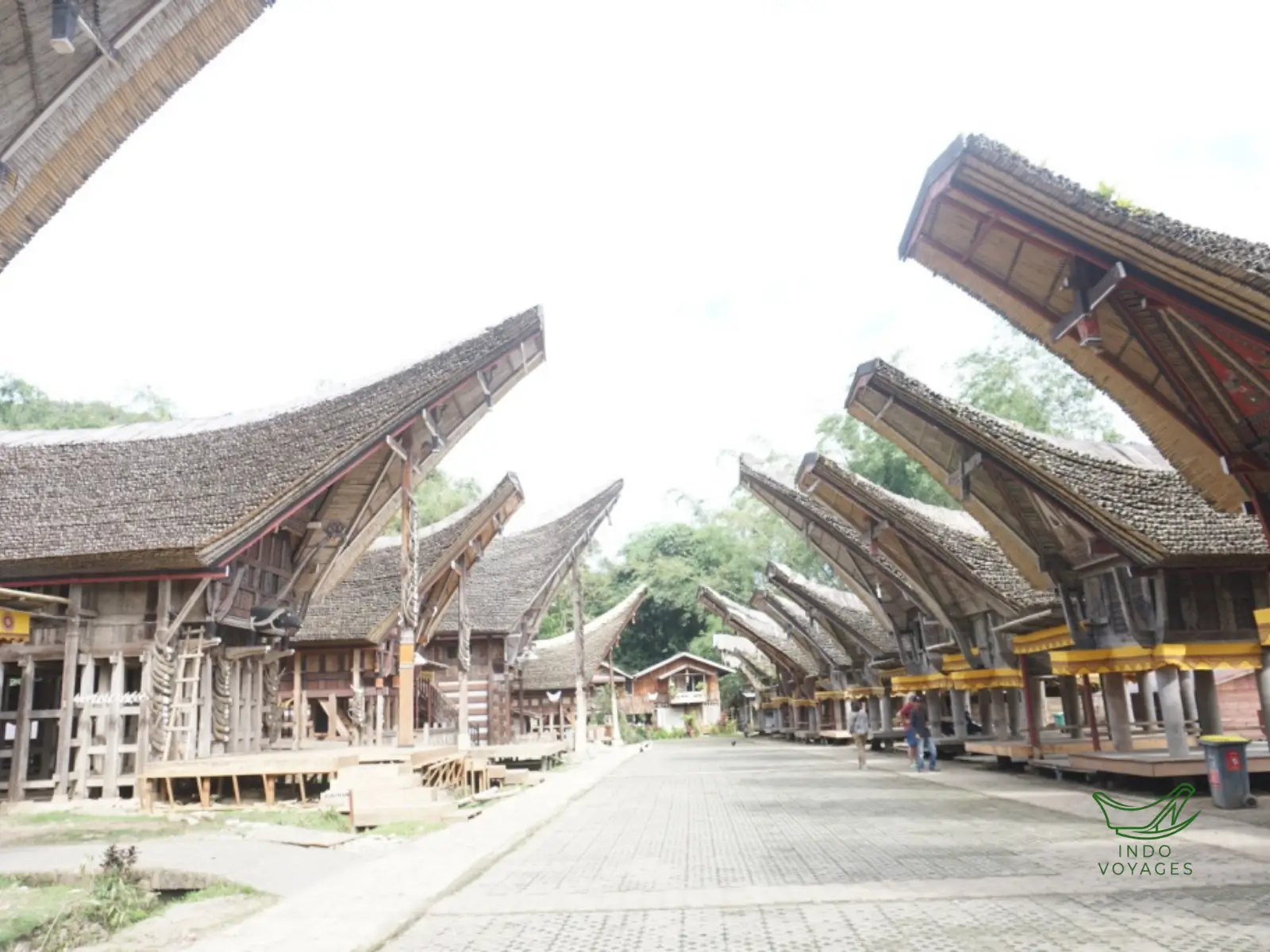
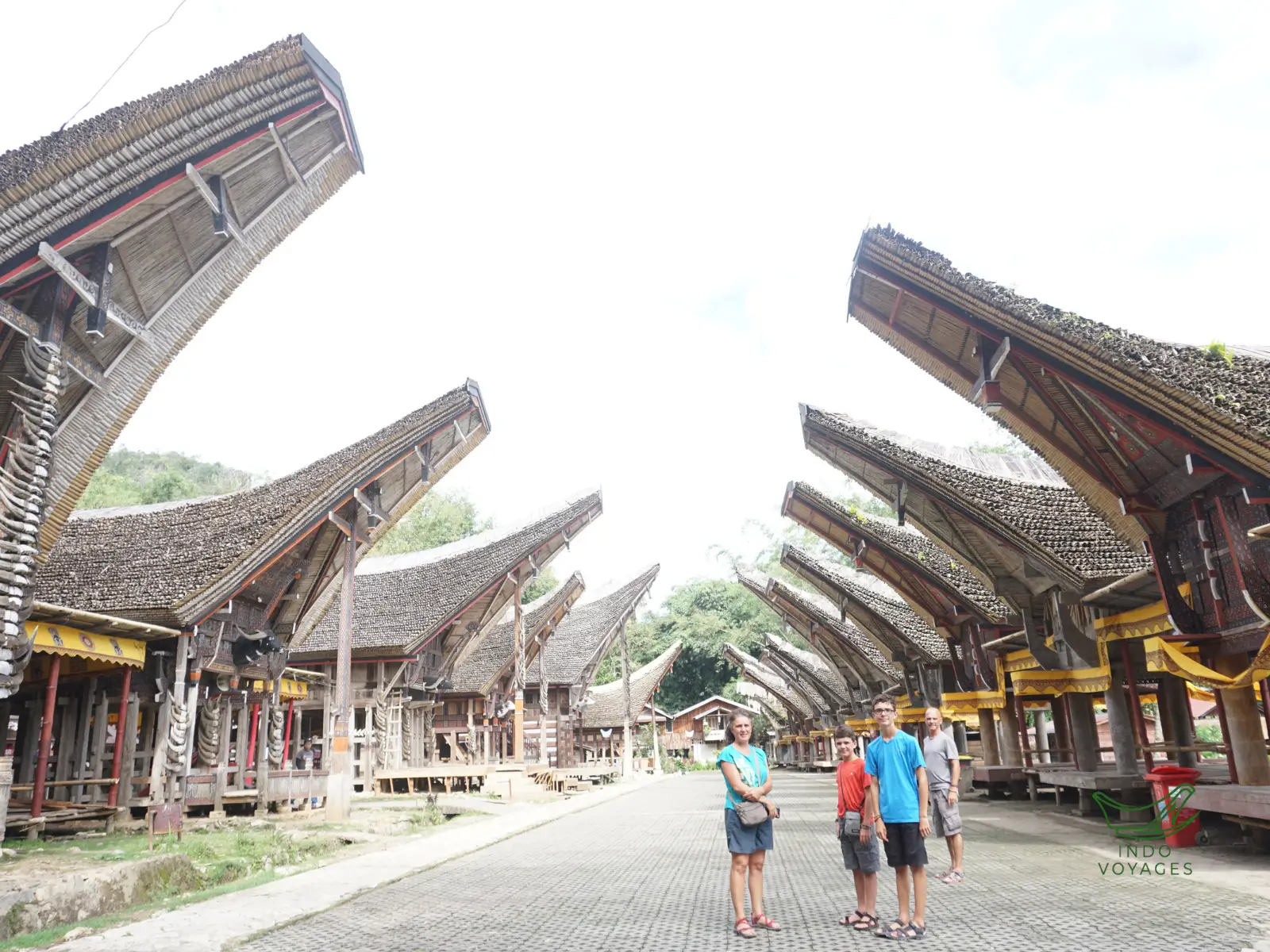
Tongkonan Houses and Village Structure
Like many traditional areas in Toraja, Marante features Tongkonan houses, the ancestral homes of Torajan families.
Key architectural elements include:
- Boat-shaped curved roofs
- Elevated wooden structures
- Carved wooden panels with symbolic motifs
- Rice barns positioned opposite the houses
These structures reflect social identity and family lineage, where each Tongkonan represents a specific ancestral line.
Cultural Atmosphere of Marante
Marante is a living cultural area, not a museum. People still live in and around traditional houses while maintaining agricultural and cultural practices.
The atmosphere of Marante includes:
- Rural village life in the Toraja highlands
- Quiet surroundings with hills and vegetation
- Visual contrast between houses and cliff burials
- A strong sense of ancestral presence in the landscape
Instead of focusing on “mystical” or “creepy” framing, the site is better understood as a sacred cultural landscape where life and death are part of one continuous system.
The Role of Tau-Tau and Burial Traditions
In some burial sites around Toraja, including areas similar to Marante, visitors may find tau-tau statues, wooden effigies representing the deceased.
These figures are:
- Symbols of family identity
- Representations of respected ancestors
- Placed near burial areas or cliffs
- Maintained by descendants over generations
They reflect the Torajan belief in continuing relationships between the living and the dead.
Why Visit Marante Toraja?
Marante is suitable for travelers who want to understand Toraja beyond surface-level tourism.
It is especially interesting for:
- Cultural and anthropology-focused travelers
- Visitors interested in burial traditions
- Photography of cliffs and traditional architecture
- Travelers exploring quieter heritage sites near Rantepao
The combination of village life and cliff burial culture makes Marante visually and culturally layered.
Best Time to Visit Marante
Recommended visiting times:
- Morning: soft light on cliffs and village
- Late afternoon: dramatic shadows and golden tones
- Dry season: better visibility and safer access paths
Because it is a living cultural area, visits are possible year-round.
How to Get to Marante
Rantepao is the main access hub, and Marante is located within short driving distance from the town.
General access:
- Around 10–20 minutes from Rantepao
- Accessible by car or motorbike
- Often included in half-day cultural tours
Local guides are recommended for understanding burial symbolism and village structure.
Nearby Attractions in North Toraja
Marante is often combined with other cultural destinations such as:
- Ke’te Kesu Traditional Village
- Londa Cave Burial Site
- Lemo Cliff Burial Site
- Bori Kalimbuang
- Palawa Village
These sites together form a complete understanding of Toraja’s living culture and ancestral heritage.
Experience Marante with Local Insight
Marante represents the deeper cultural structure of Toraja, where traditional architecture, agriculture, and ancestral burial practices exist within the same landscape.
With local insight, visitors can understand that Toraja is not defined by isolated attractions, but by an interconnected cultural system where villages, cliffs, and ancestors form one continuous heritage in the highlands of South Sulawesi.
Visitor Information (2026 Travel Update)
Location
Marante, Tondon District, North Toraja, South Sulawesi (±5-6 km east of Rantepao, located conveniently near the main highway connecting Rantepao and Palopo).
Entrance Fee
Around IDR 15,000–20,000 per person.
Recommended visit duration
45-60 minutes (Sufficient to explore the traditional Tongkonan area, walk to the limestone cliff, and see the cave graves).
Local Guide
Recommended. The cave burial site at Marante has deep-rooted ancestral stories. A local guide is very important to explain the history of the Erong (boat-shaped coffins), the identity of the families buried there, and to ensure you follow local customs safely inside the dim cave areas.
Best Time to Visit
Daytime (09:00 AM – 15:00 PM). Good daylight is necessary to clearly see the details of the cliff-hanging coffins and safely see your steps when approaching the rocky cave opening.
Prices and arrangements may vary depending on local community management.
Nearby Places in Toraja
Marante is commonly visited together with:

These sites are often combined into a half-day or full-day cultural journey through Toraja.
Understand the Culture Behind Toraja
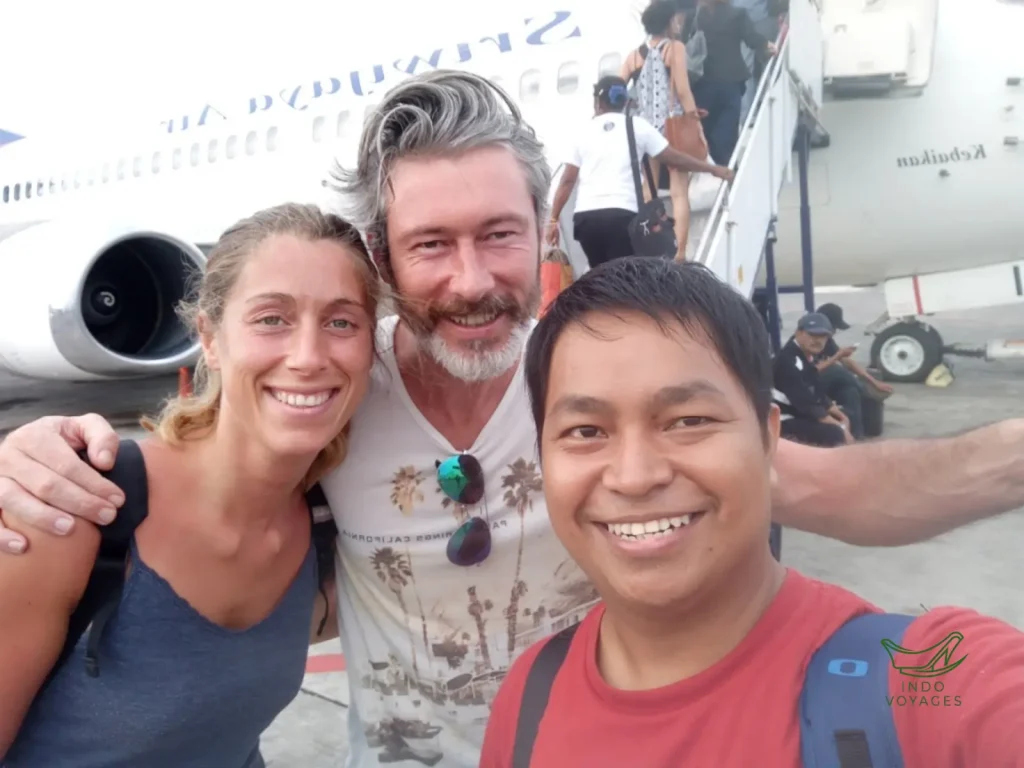
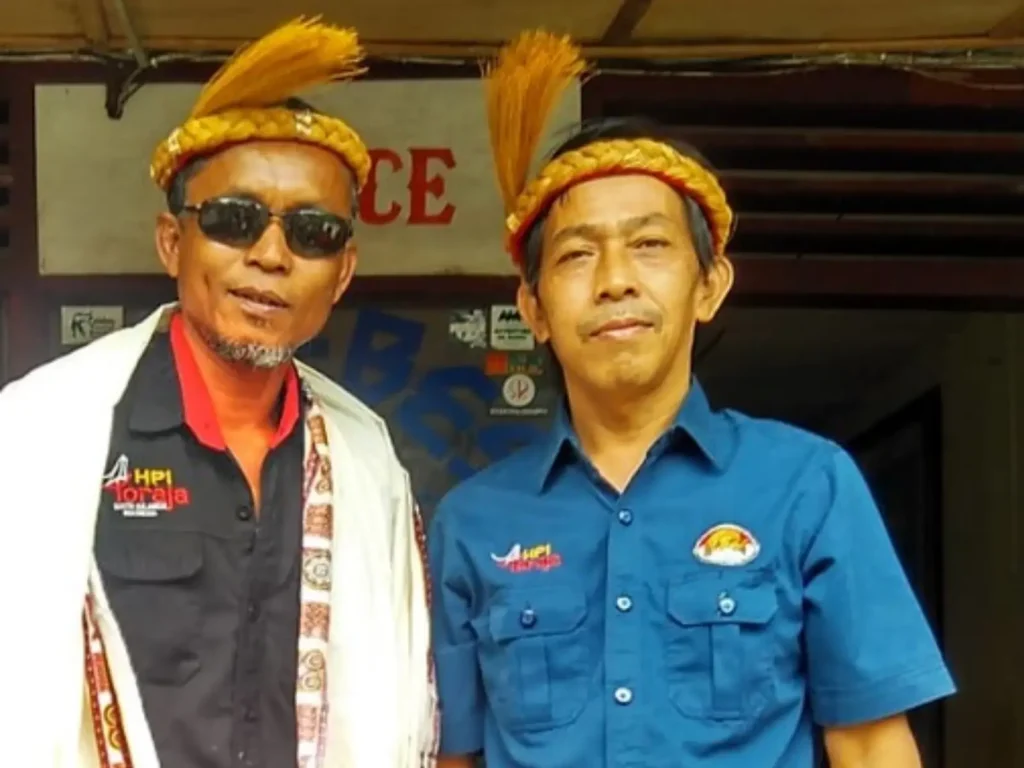
Many places in Toraja carry meanings that are not immediately visible to visitors. Traveling with a local guide gives you the cultural context needed to understand what you are seeing.
Frequently Asked Questions About Marante Toraja
Marante is located near Rantepao in North Toraja, South Sulawesi, Indonesia, around 5 kilometers northeast of the town center. The village lies within the Toraja Highlands and is surrounded by rice fields, limestone hills, and traditional Torajan settlements.
Marante is famous for its traditional Torajan village atmosphere, tongkonan houses, hanging graves, stone burial sites, and ancient erong coffins placed within rocky cliffs and caves. The village is often visited as part of Toraja cultural journeys because it combines living village life with ancestral burial heritage.
Erong are traditional Torajan wooden coffins historically carved in symbolic shapes, sometimes resembling buffaloes, pigs, or boats depending on the social status and identity of the deceased. In Marante, some erong coffins can still be seen near the limestone burial cliffs and cave areas connected to ancestral traditions.
Visitors can explore traditional tongkonan houses, rice barns (alang), hanging graves, stone burial caves, tau tau effigies, and scenic rice field landscapes surrounding the village. Some cave areas also contain old coffins, skulls, and ancestral remains connected to Torajan funeral traditions.
Yes. Marante is still a living village where local families continue maintaining traditional Torajan houses, ceremonies, agricultural activities, and community life while also welcoming visitors interested in cultural heritage.
Compared to Ke’te Kesu, which is especially known for preserved architectural compounds and carving traditions, Marante offers a quieter village atmosphere combined with burial caves and hanging graves integrated into the surrounding landscape. Compared to Londa, Marante is often less crowded and feels more closely connected to everyday rural village life.
In Torajan ancestral belief systems, placing graves high on cliffs or within caves symbolized respect for the deceased and their spiritual journey. Burial traditions in places like Marante reflect the long-standing relationship between ancestry, ceremonial life, family identity, and the Torajan understanding of death as part of an ongoing connection between generations.
Traditionally, tau tau effigies were associated mainly with noble families or individuals of higher social status because creating them required elaborate ceremonies and significant resources. Some burial areas near Marante contain tau tau connected to ancestral family lineages in the region.
Yes. Many visitors explore the village on foot through pathways connecting rice paddies, suspension bridges, and nearby settlements. The surrounding countryside is often appreciated for its quieter atmosphere and scenic highland landscape.
Yes. Although visitors are welcome, the burial caves and ancestral areas in Marante remain culturally and spiritually important for local communities. Travelers are expected to behave respectfully, avoid disturbing burial objects, and understand that these sites represent living heritage rather than only tourist attractions.
Morning and late afternoon are usually the best times to visit because temperatures are cooler and lighting conditions are better for sightseeing and photography. The dry season generally provides easier access to village pathways and burial areas.
Yes, visitors can explore Marante independently. However, visiting with a local guide is highly recommended because many aspects of the burial traditions, erong coffins, tau tau, village structure, and Torajan ancestral customs require cultural explanation and respectful interpretation.
Explore Marante with Local Insight
Marante is more than a traditional village with hanging graves and ancient coffins. It is a cultural landscape where Torajan ancestry, architecture, spirituality, and everyday village life continue to coexist within the highlands of North Toraja.
As a Sulawesi-based local tour operator, Indo Voyages offers cultural journeys across Toraja that help travelers experience traditional villages, ancestral heritage, and meaningful local stories with deeper understanding and respect.

 EN
 ID
 FR