
Mount Sesean - Scenic Highland Trekking Peak in Toraja
Mount Sesean is a scenic trekking spot in Tana Toraja, South Sulawesi, known for its rolling hills and sunrise views. Located in North Toraja, it offers panoramic highland landscapes and a cool mountain climate. Discover the natural beauty of the Toraja highlands from above the clouds.
What is Mount Sesean?
Mount Sesean (Gunung Sesean) is a mountain area located near the Sesean District in North Toraja, not far from Rantepao. The peak and surrounding ridges form part of the highland landscape that defines much of the Toraja region.
At around 2,100–2,150 meters above sea level (approximate range depending on point), Mount Sesean is one of the higher accessible viewpoints in Toraja, offering sweeping views of valleys, villages, rice fields, and layered mountain ranges.
The area is not a commercial tourist site with heavy infrastructure. Instead, it is a natural trekking destination with local trails and simple access points guided by villagers.
The Landscape of Mount Sesean
The main attraction of Mount Sesean is its dramatic highland scenery. From the slopes and summit areas, visitors can see a vast panorama of Toraja’s mountainous terrain.
Key landscape features include:
- Rolling green hills and layered ridgelines
- Mist and fog covering valleys in the morning
- Distant views of traditional villages and rice terraces
- Open grasslands and forest edges
- Clear sunrise and sunset horizons
During certain weather conditions, the mountain often sits above the clouds, creating a “sea of fog” effect that makes it one of the most photogenic locations in Toraja.
Trekking Experience on Mount Sesean
Trekking Mount Sesean is moderately challenging and typically does not require technical climbing skills. However, the route can be steep in certain sections, especially near the upper ridges.
Typical trekking experience:
- Starting from nearby villages in Sesean
- Walking through farmland, forest paths, and grass hills
- Gradual ascent with several viewpoint stops
- Reaching ridge lines or summit viewpoints for sunrise
The hike is often done early in the morning or overnight to catch sunrise views from the top.
Sunrise and Cloud Views
One of the biggest reasons travelers visit Mount Sesean is the sunrise experience.
In the early morning, the mountain offers:
- Golden sunrise light over Toraja valleys
- Thick morning fog in the lower areas
- Cool, refreshing mountain air
- Soft lighting perfect for photography
When weather conditions are ideal, the combination of clouds and mountain layers creates a cinematic landscape that feels almost surreal.
Why Mount Sesean is Special in Toraja
Toraja is widely known for its cultural heritage, but Mount Sesean adds a natural dimension to the region’s identity.
It is special because it offers:
- A quiet alternative to busy cultural sites
- Wide panoramic landscapes of North Toraja
- A cooler highland escape from villages and towns
- A more adventurous travel experience
For many visitors, Mount Sesean provides balance, combining cultural exploration in Toraja with time in nature and open landscapes.
Best Time to Visit Mount Sesean
The best time to visit depends on weather and visibility conditions.
- Dry season (best overall): clearer skies and safer trekking conditions
- Early morning (best daily timing): sunrise and cloud inversion views
- Late afternoon: softer light for landscape photography
Rainy conditions can make trails slippery, so proper footwear and preparation are important.
How to Get to Mount Sesean
Mount Sesean is accessible from Rantepao, the main tourism hub in North Toraja.
General access route:
- Drive from Rantepao to Sesean area (approx. 30–60 minutes depending on trail start point)
- Continue to local village starting points
- Trek with or without a local guide depending on route
Hiring a local guide is recommended, especially for sunrise trekking or first-time visitors, as trail access can vary depending on weather and season.
Things to Prepare Before Hiking
Visitors planning to trek Mount Sesean should bring:
- Warm clothing (temperatures can be cold at night and early morning)
- Good hiking shoes with grip
- Flashlight or headlamp for sunrise trekking
- Drinking water and light snacks
- Rain protection during wet season
Weather in the Toraja highlands can change quickly, so preparation is important for safety and comfort.
Visitor Information (2026 Travel Update)
Location
Sesean Suloara District, North Toraja, South Sulawesi (±20–22 km north of downtown Rantepao, accessible via the Batutumonga route).
Entrance Fee
Around IDR 10,000–15,000 per person (Registration/hiking fee at the Suloara basecamp).
Recommended visit duration
Overnight (12–15 hours) for camping, or 4–5 hours for a round-trip day hike.
Local Guide
Recommended. Crucial if you plan to do a night hike to catch the sunrise, as the rocky trails splitting into Peak 1, 2, and 3 can be confusing in the dark.n
Best Time to Visit
Dry Season (May – September): To avoid slippery, muddy tracks.
Hike Timing: Start climbing by 15:30 PM if camping for sunset, or at 03:00 AM for a direct sunrise assault.
Prices and arrangements may vary depending on local community management.
Nearby Places in Toraja
Mount Sesean is commonly visited together with:

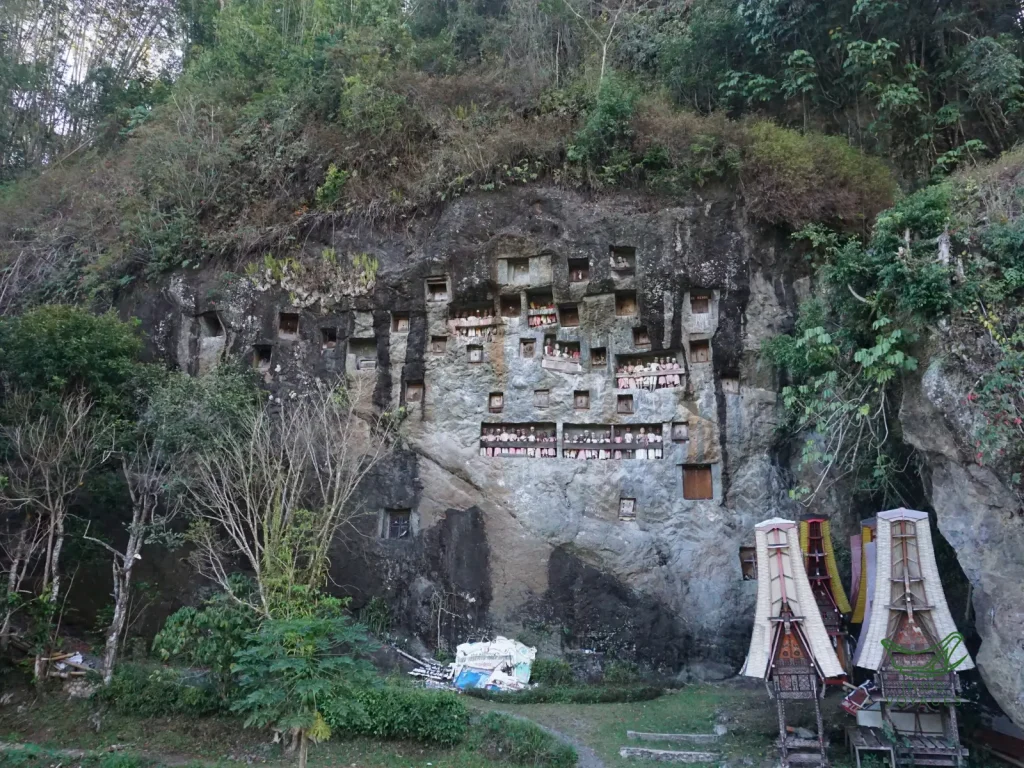

These sites are often combined into a half-day or full-day cultural journey through Toraja.
Frequently Asked Questions About Mount Sesean Toraja
Mount Sesean is located in North Toraja, South Sulawesi, Indonesia, near the Sesean and Sa’dan highland areas north of Rantepao. The mountain is part of the Toraja Highlands and overlooks valleys, traditional villages, and agricultural landscapes.
Mount Sesean is famous as one of the highest mountains in the Toraja Highlands and is known for panoramic trekking routes, sunrise views, cloud-covered landscapes, and scenic highland villages. It is considered one of the main trekking and outdoor destinations in Toraja.
Mount Sesean stands at approximately 2,100 meters above sea level, making it one of the prominent peaks in the Toraja region.
Yes. Mount Sesean is one of the most popular trekking mountains in Toraja. Trails pass through forests, farming areas, bamboo groves, and traditional highland villages before reaching panoramic viewpoints near the summit.
On clear days, visitors can see wide views across the Toraja Highlands, surrounding mountains, rice terraces, valleys, and cloud formations covering the landscape below.
The dry season is generally the best time for trekking because trails are safer and visibility is clearer. Sunrise treks and early morning hikes are especially popular because of cooler temperatures and panoramic cloud scenery.
The trek is usually considered moderate depending on the route and weather conditions. Some sections can be steep or slippery after rain, so proper footwear and preparation are recommended.
Yes. Traditional Torajan villages and farming communities surround the Mount Sesean area. The landscape reflects everyday highland life, agriculture, and cultural traditions in northern Toraja.
Yes. Mount Sesean is often combined with nearby destinations such as Lolai To’ Tombi, Palawa, Sa’dan To’ Barana’, and cultural villages throughout North Toraja.
Yes, experienced hikers can explore Mount Sesean independently. However, local guides are highly recommended for navigation, weather awareness, cultural context, and access through village routes and mountain trails.
Experience Toraja’s Natural Highlands with Local Insight
Mount Sesean shows a different side of Toraja, one that is shaped by nature, altitude, and landscape rather than architecture or rituals.
Exploring the mountain with local guidance helps travelers understand the geography of the Toraja highlands and how villages, culture, and nature are connected within this dramatic mountainous region of Sulawesi.
Explore Mount Sesean with Local Insight
Mount Sesean offers a different perspective of Toraja through mountain landscapes, trekking routes, highland villages, and panoramic views above the valleys of North Toraja.
As a Sulawesi-based local tour operator, Indo Voyages offers journeys across Toraja that connect travelers with local landscapes, cultural heritage, and meaningful experiences throughout the highlands.


 EN
 ID
 FR